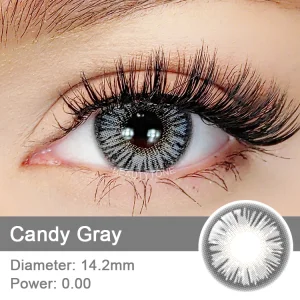
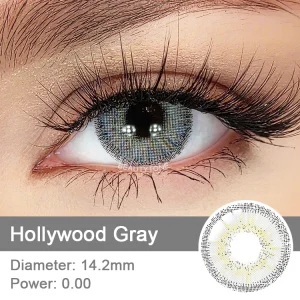
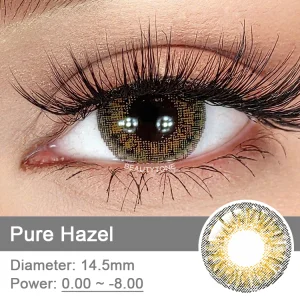
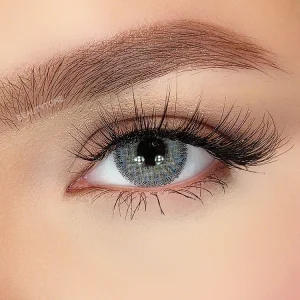
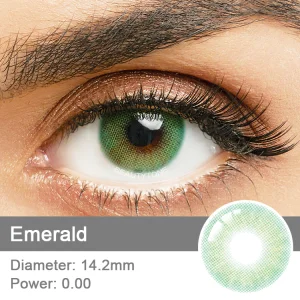
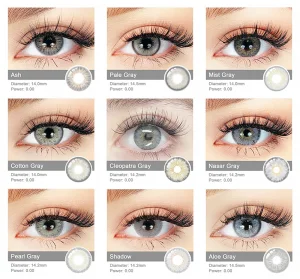
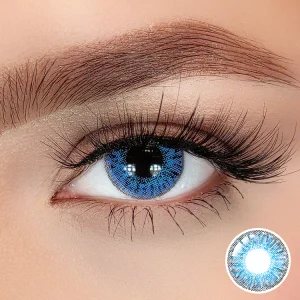
Featured Premium Aesthetic Contact Lenses
Discover clinical-grade formulations executing multi-tone pigments, customized configurations, and verified optical tolerances for global distribution.
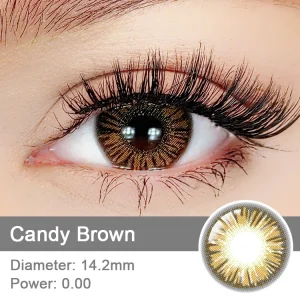
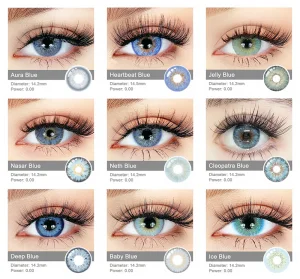

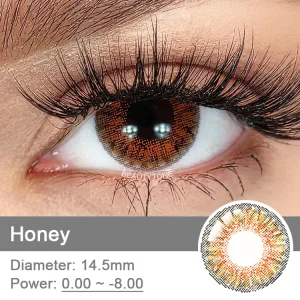
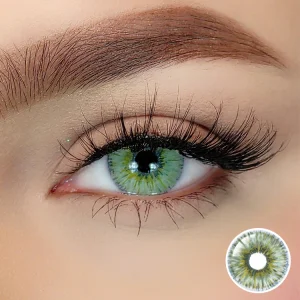
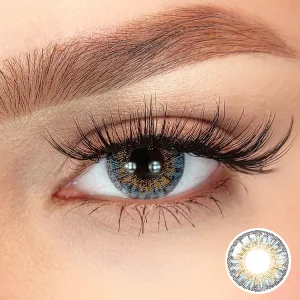
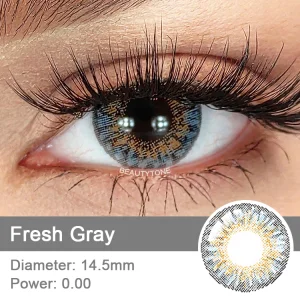

Global Industry Trends in Aesthetic Contact Lens Manufacturing
The global aesthetic and color contact lens industry has evolved from a niche cosmetic segment into a highly regulated, high-growth sector of medical-grade device manufacturing. Market valuation is projected to exceed USD 9.5 Billion by 2030, driven by advances in optical material sciences, shifting consumer preferences for multi-tone natural irises, and the influence of global digital aesthetics.
Key developments shaping modern color changing contact lens technologies include:
Dk/t 80+
Oxygen Permeability
42%
Water Content Equilibrium
Class III
Medical Device Standard
3-Tone
Interleaved Gradient Tech
Historically, aesthetic lenses faced criticism due to poor oxygen transmissibility (Dk/t) and ocular surface irritation, often caused by placing color pigments directly onto lens surfaces. Contemporary manufacturing addresses these concerns through Double-Cladding Sandwich Technology. In this method, the organic pigment layer is sealed completely between two layers of highly oxygen-permeable HEMA or silicone hydrogel monomers. This configuration ensures that dyes never make contact with the cornea or palpebral conjunctiva, maintaining safety, hygiene, and lasting comfort.
Sourcing Criteria & Compliance Protocols for Global B2B Distributors
For global optical brands, clinical distributors, and major e-commerce platforms, selecting a contact lens factory requires rigorous validation under Google's E-E-A-T (Experience, Expertise, Authoritativeness, Trustworthiness) criteria. A qualified OEM/ODM manufacturer must maintain compliance with international regulatory frameworks, including:
1. Quality Management Systems (ISO 13485:2016): This certification ensures that every phase of manufacturing, from incoming raw materials to sterile packaging, meets the standardized criteria for medical devices.
2. Global Regulatory Approvals: Products bound for major consumer markets must hold relevant clearances, such as US FDA 510(k), CE mark (MDR 2017/745), NMPA, or PMDA registrations.
3. Advanced Biocompatibility Profiles: Lenses must undergo systematic cytotoxicity, systemic toxicity, and ocular irritation testing (ISO 10993) to confirm safe, long-term daily wear compatibility.
2. Global Regulatory Approvals: Products bound for major consumer markets must hold relevant clearances, such as US FDA 510(k), CE mark (MDR 2017/745), NMPA, or PMDA registrations.
3. Advanced Biocompatibility Profiles: Lenses must undergo systematic cytotoxicity, systemic toxicity, and ocular irritation testing (ISO 10993) to confirm safe, long-term daily wear compatibility.
Who We Are | Dongguan Dailylensie Co., Ltd.
At Dongguan Dailylensie Co., Ltd., we bridge the gap between medical-grade manufacturing precision and cutting-edge eye aesthetics. Based in Dongguan, China, we are a modern contact lens factory specializing in full-service OEM/ODM and private-label solutions for the global market.
We don't just manufacture lenses; we bring vision to life. Our facility features fully automated production lines and an in-house design lab capable of executing complex, multi-tone color gradients and custom patterns that align with current beauty trends. Safety and comfort remain our bedrock—every lens undergoes rigorous automated cosmetic inspection and hydration testing in our certified cleanrooms.
Whether you are an established optical brand looking for a stable supply chain or a rising beauty influencer launching your first colored lens line, Chic Contacts provides flexible MOQ options, streamlined regulatory support, and reliable global shipping. Partner with us to experience manufacturing transparency and product excellence.
China Factory 4.0: Supply Chain Resilience & Cost-Efficiency Advantages
Operating out of the Pearl River Delta industrial hub, Dongguan Dailylensie Co., Ltd. utilizes advanced automation to deliver supply chain stability, high throughput, and cost efficiencies. Our facility combines automated molding systems, visual defect inspection, and rapid prototyping technologies to streamline production.
Our integration of Factory 4.0 principles includes:
• Fully Automated Demolding and Hydration: Eliminates manual-handling contamination risks, maintaining standard moisture parameters across production runs.
• High-Precision Dry Lathe Cutting: Allows for micro-level adjustment of edge geometry, producing uniform center thicknesses and smooth base curves.
• Dynamic Ink Formulation & Pad Printing: Employs non-toxic, medical-grade colorants that undergo UV curing, ensuring pigment stability and resistance to leaching.
• Fully Automated Demolding and Hydration: Eliminates manual-handling contamination risks, maintaining standard moisture parameters across production runs.
• High-Precision Dry Lathe Cutting: Allows for micro-level adjustment of edge geometry, producing uniform center thicknesses and smooth base curves.
• Dynamic Ink Formulation & Pad Printing: Employs non-toxic, medical-grade colorants that undergo UV curing, ensuring pigment stability and resistance to leaching.
The Ophthalmic Manufacturing Process & Facility Operations
A detailed look at the sterile environments, automated systems, and high-accuracy molding equipment used in our facility.
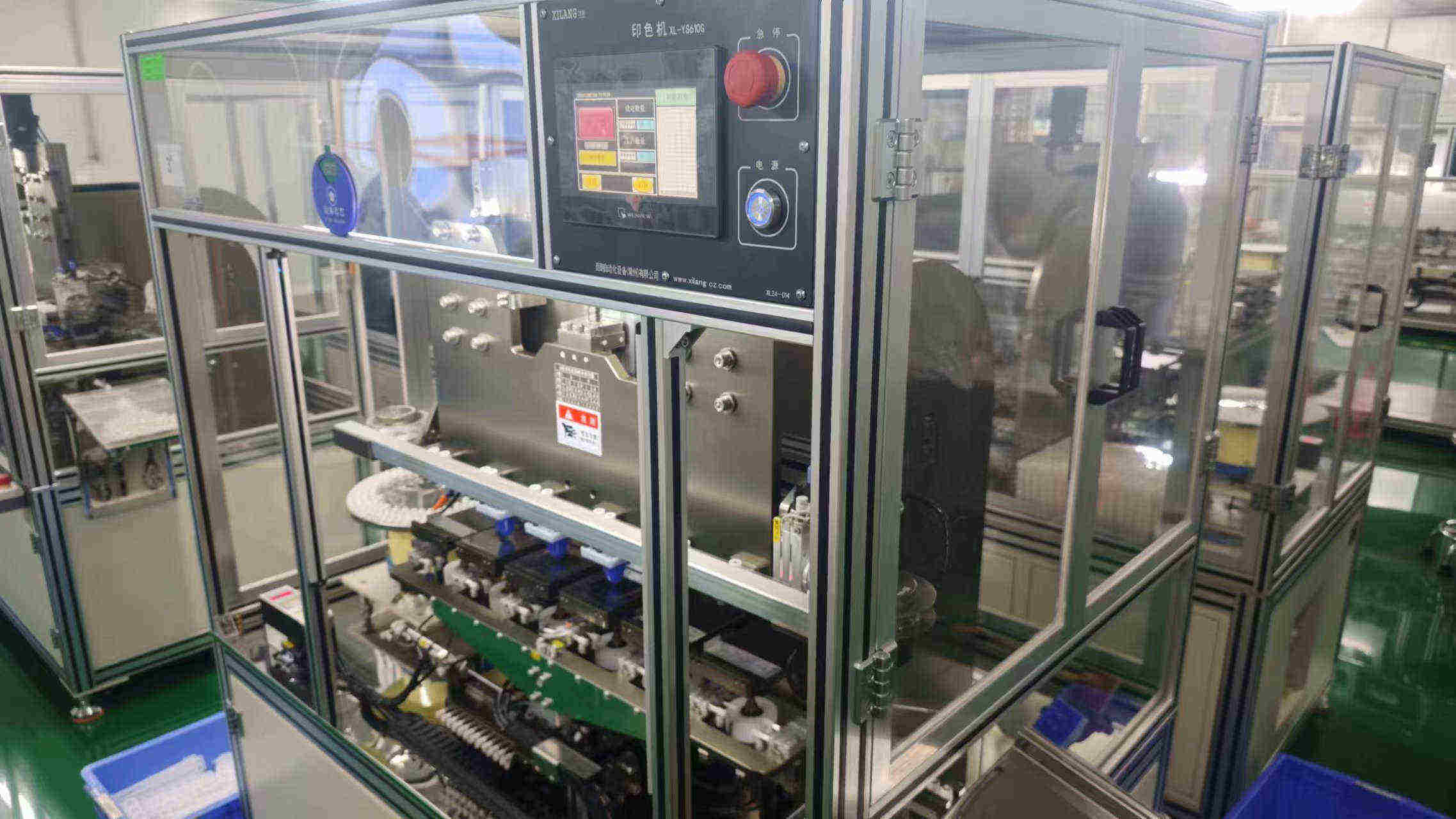
Printing
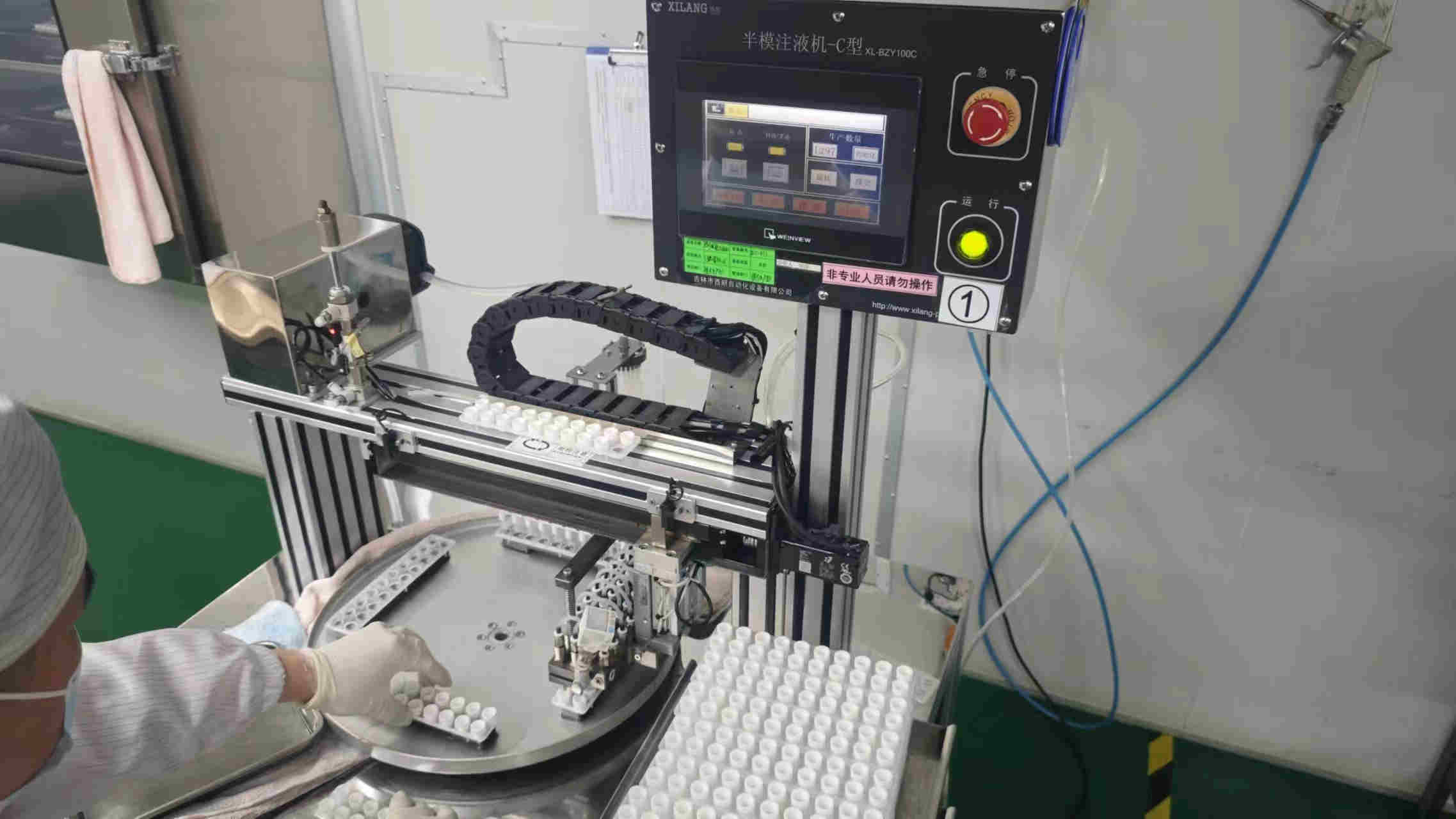
Liquid Injection
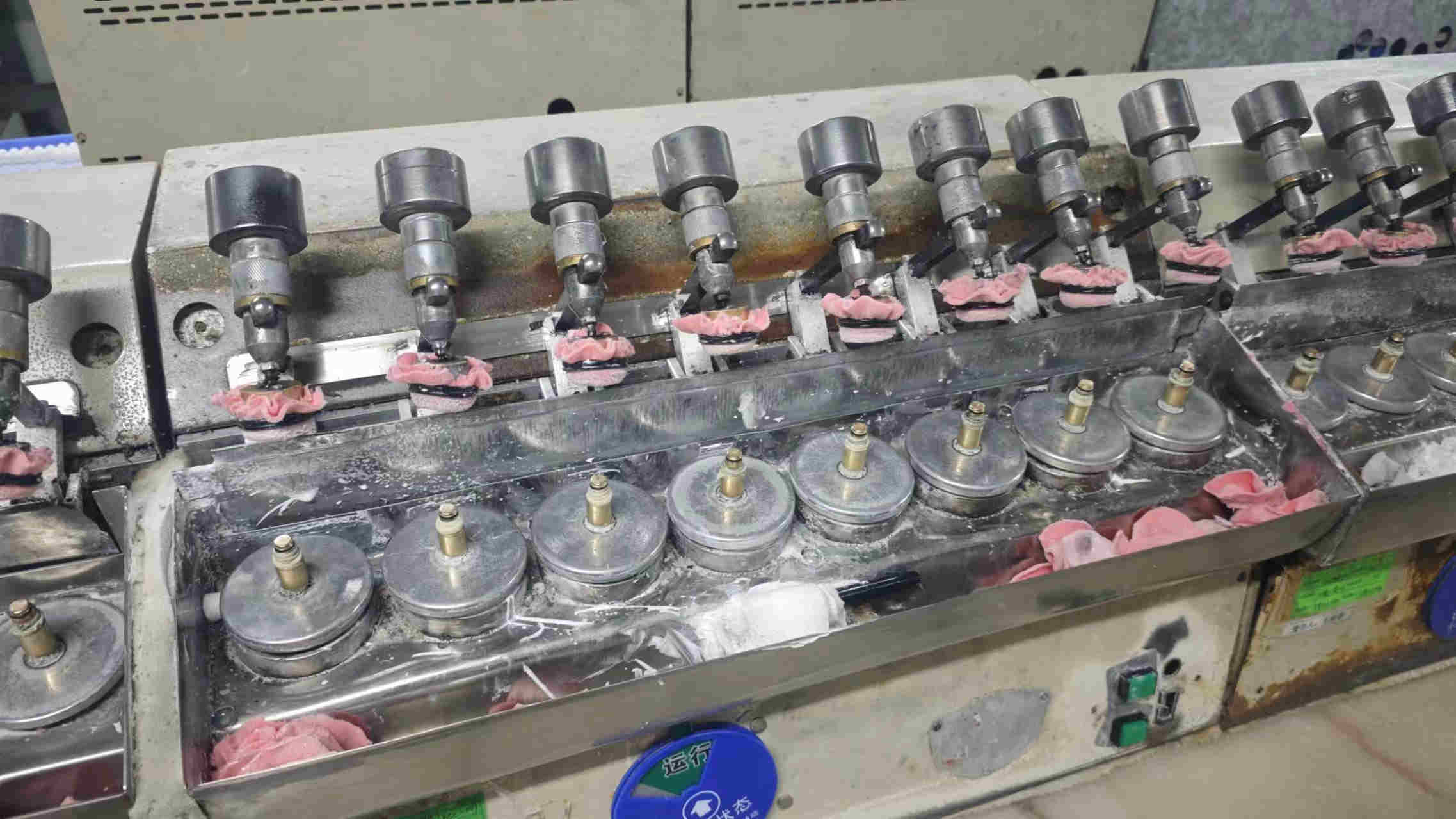
Polish
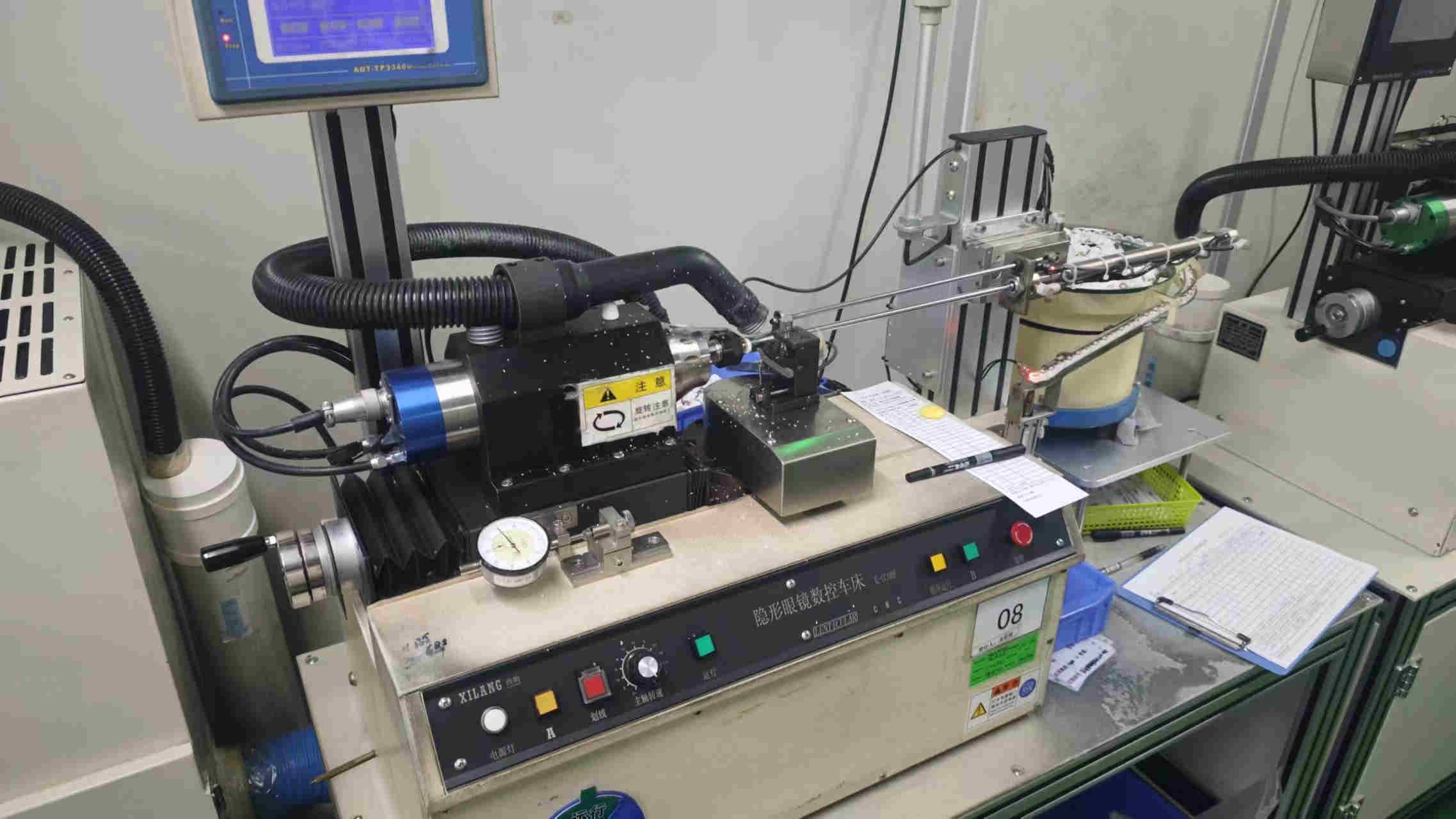
Cutting
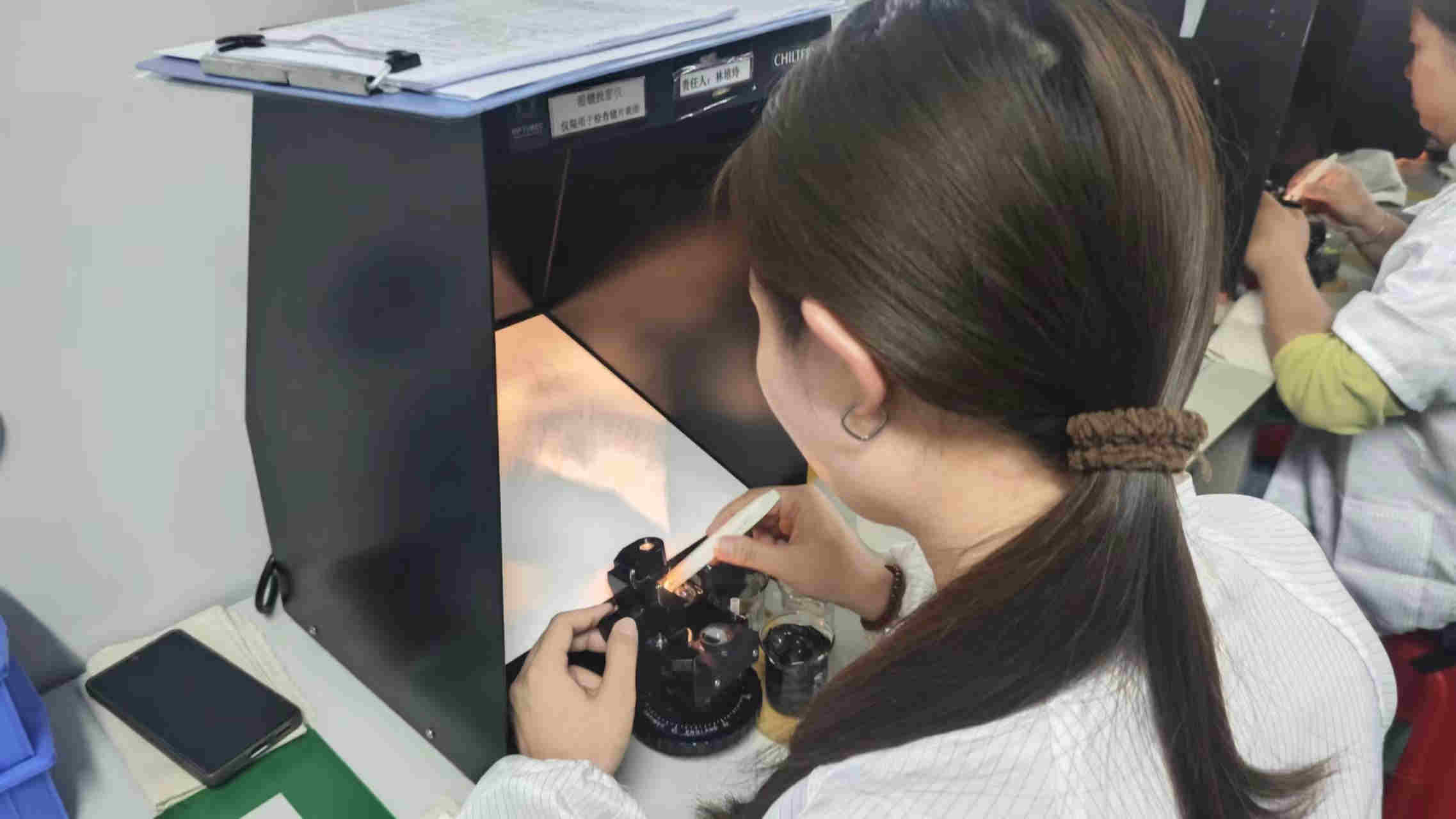
Inspection
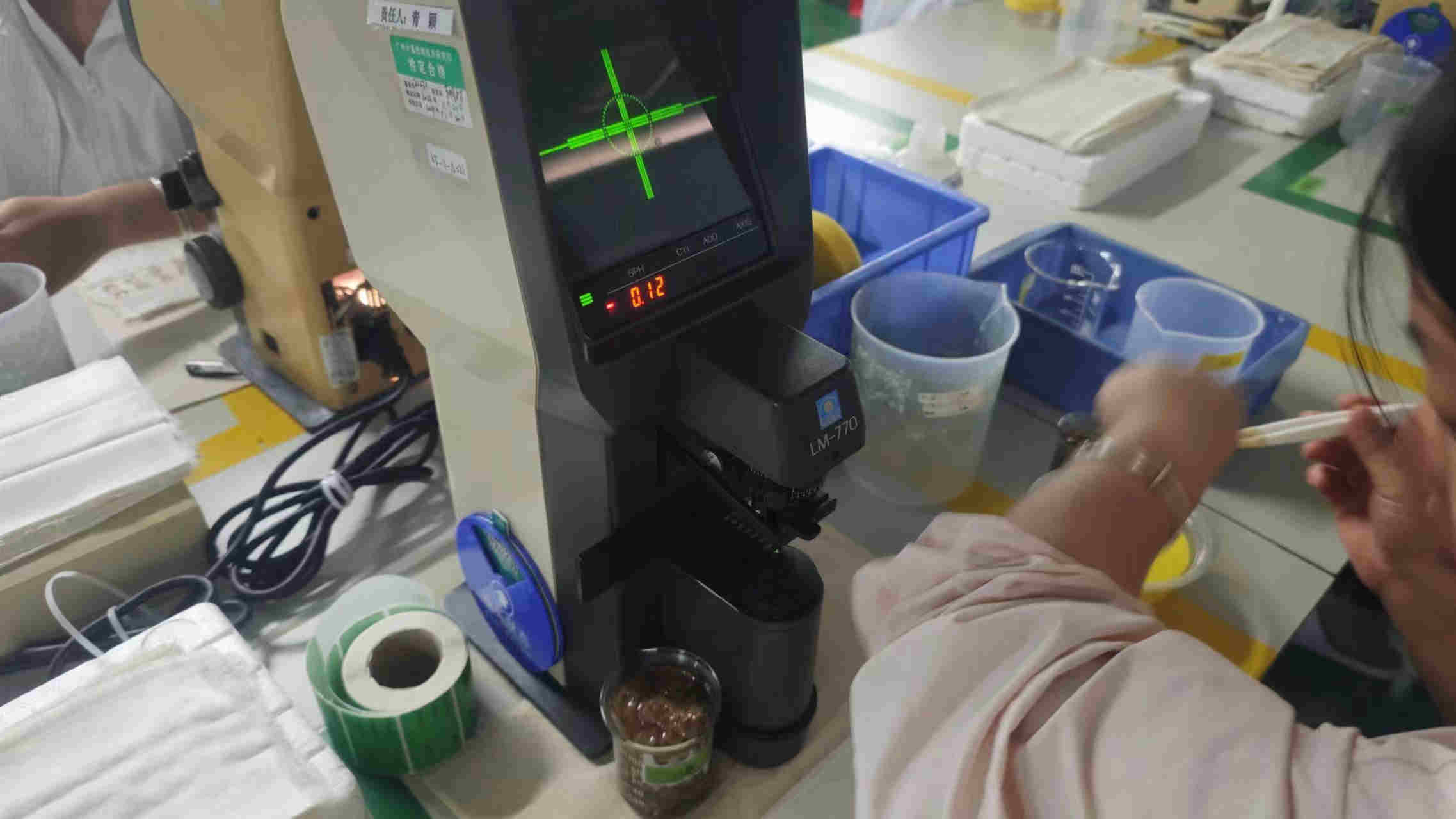
Inspection
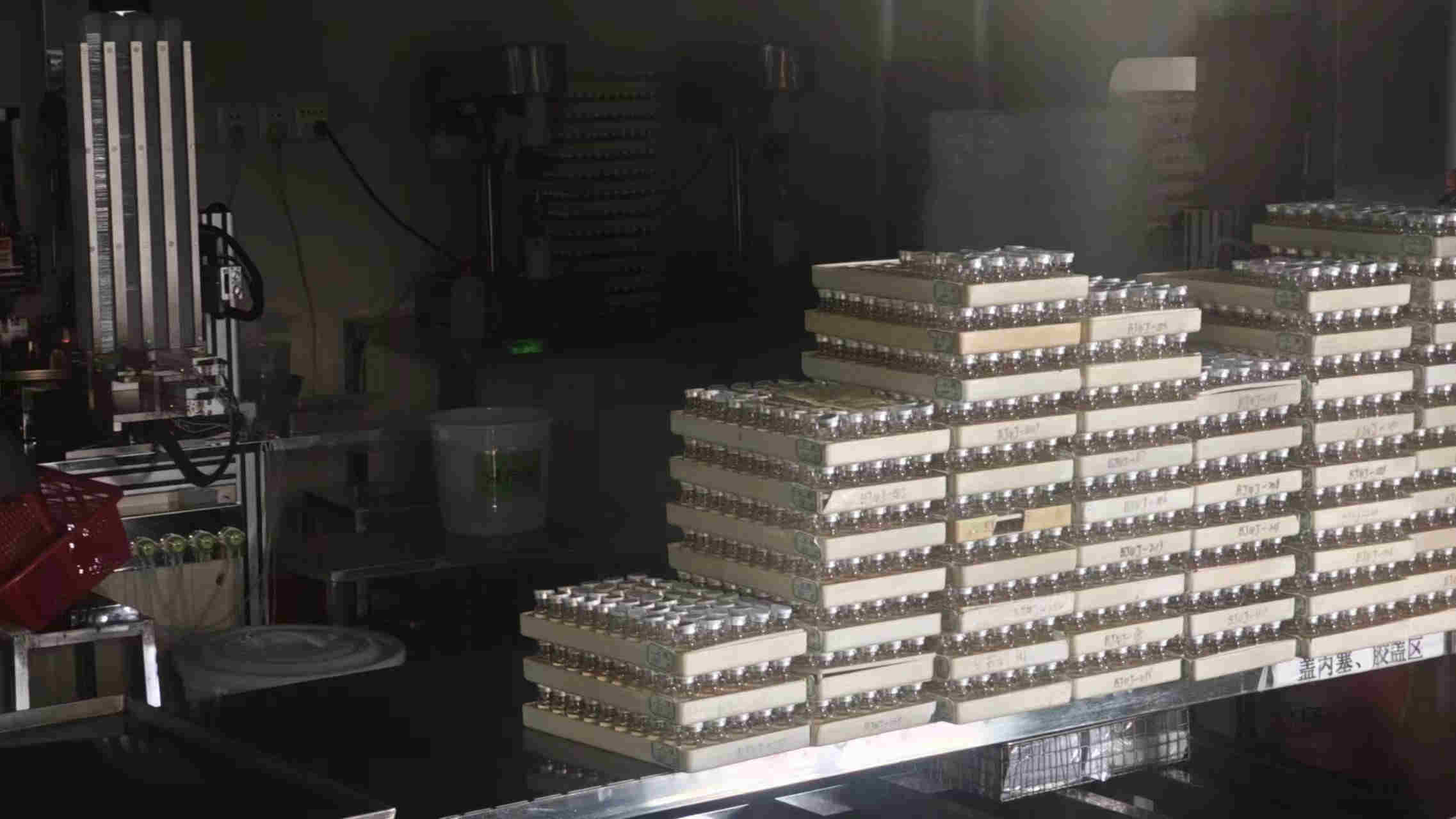
Packing
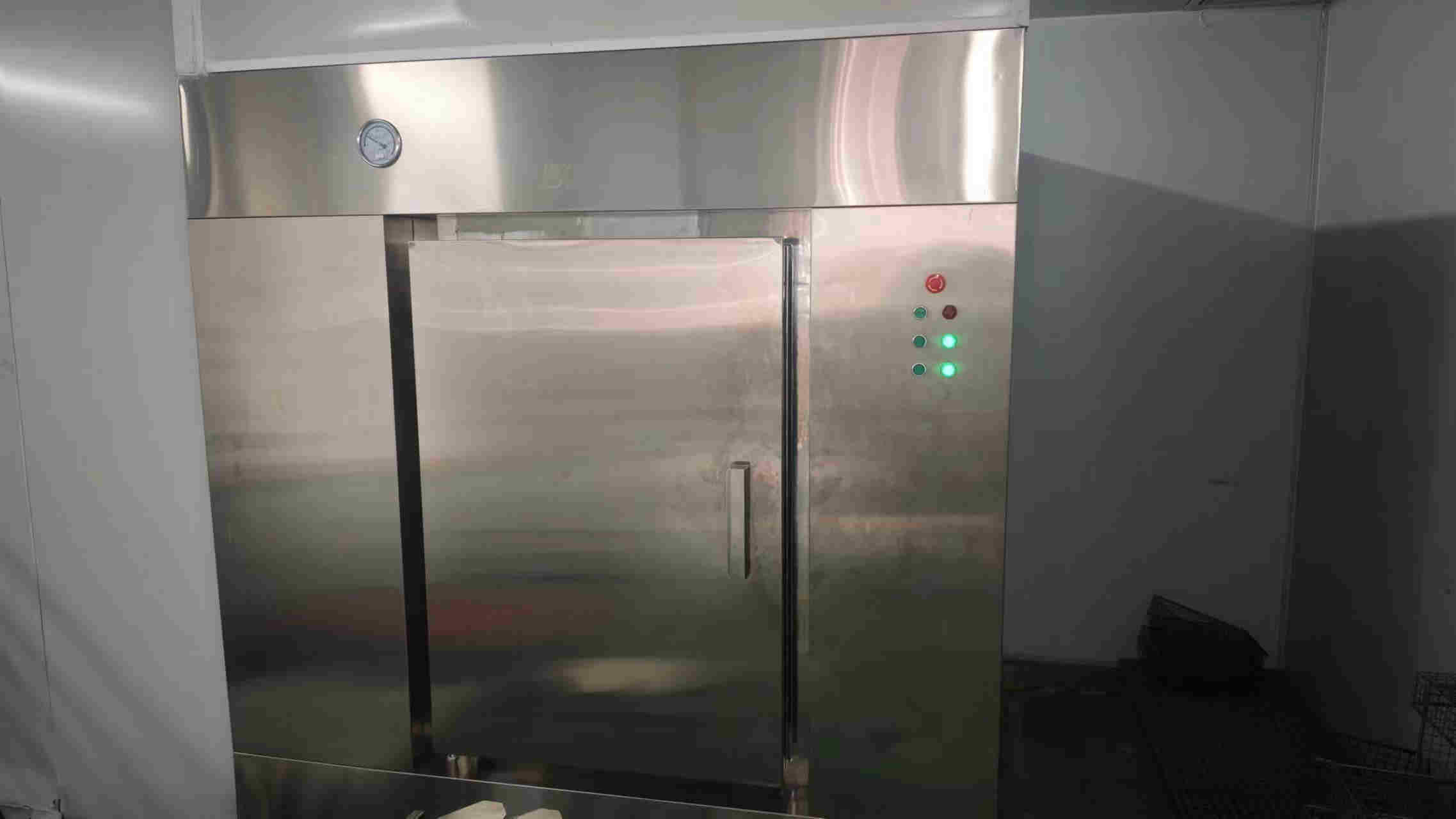
Sterilization

Finished Products
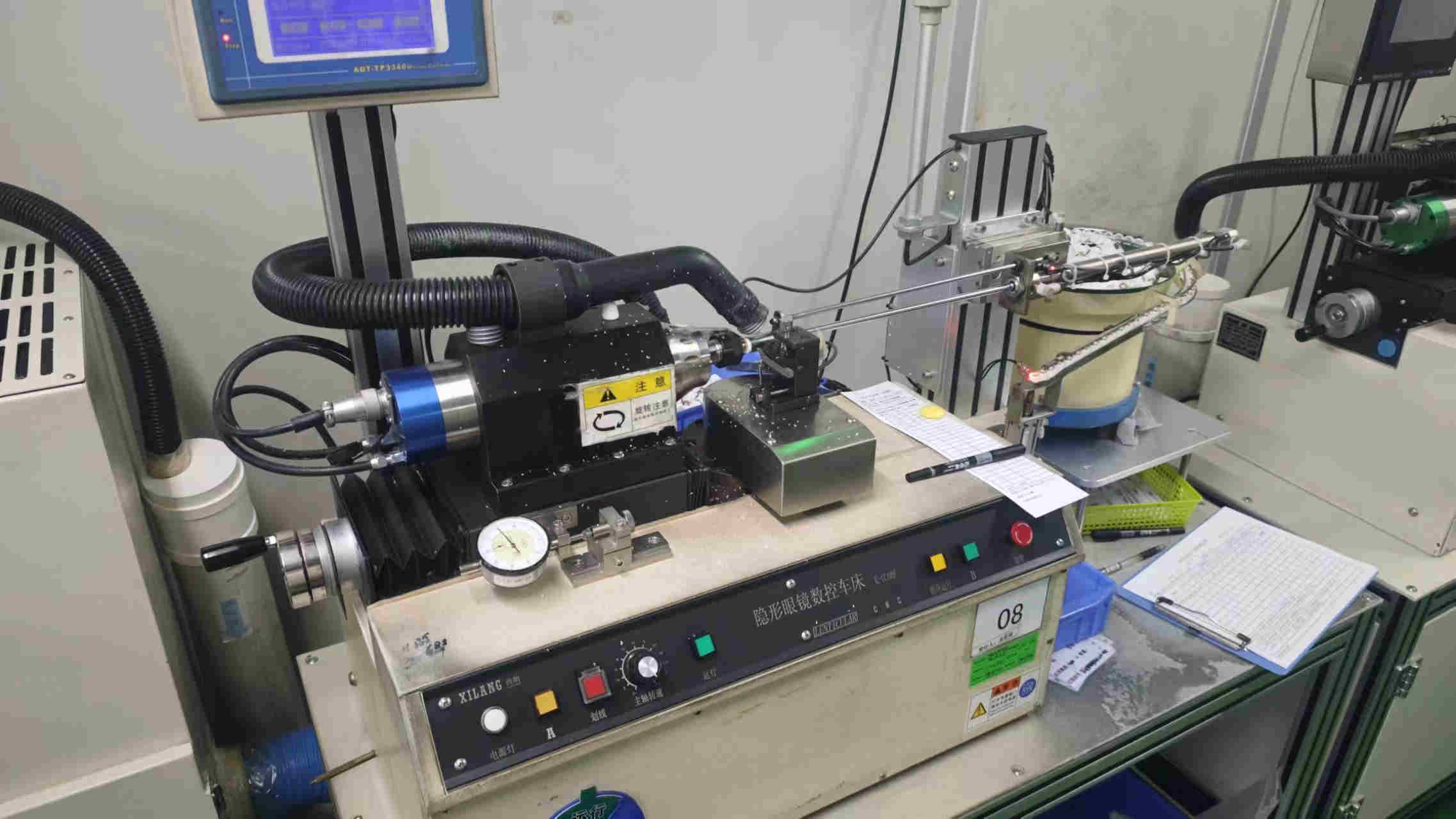
Cutting Machine
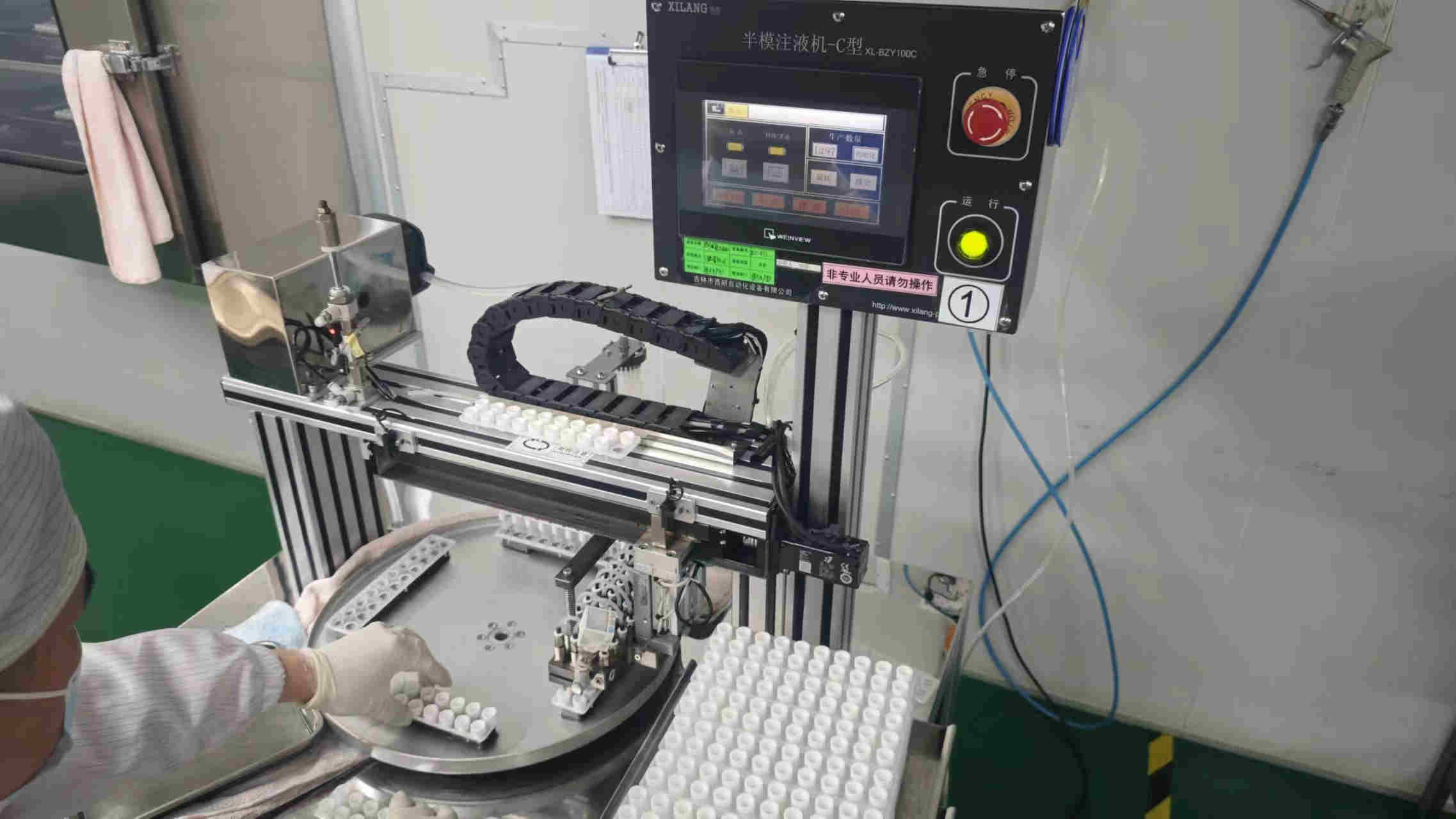
Liquid Injection
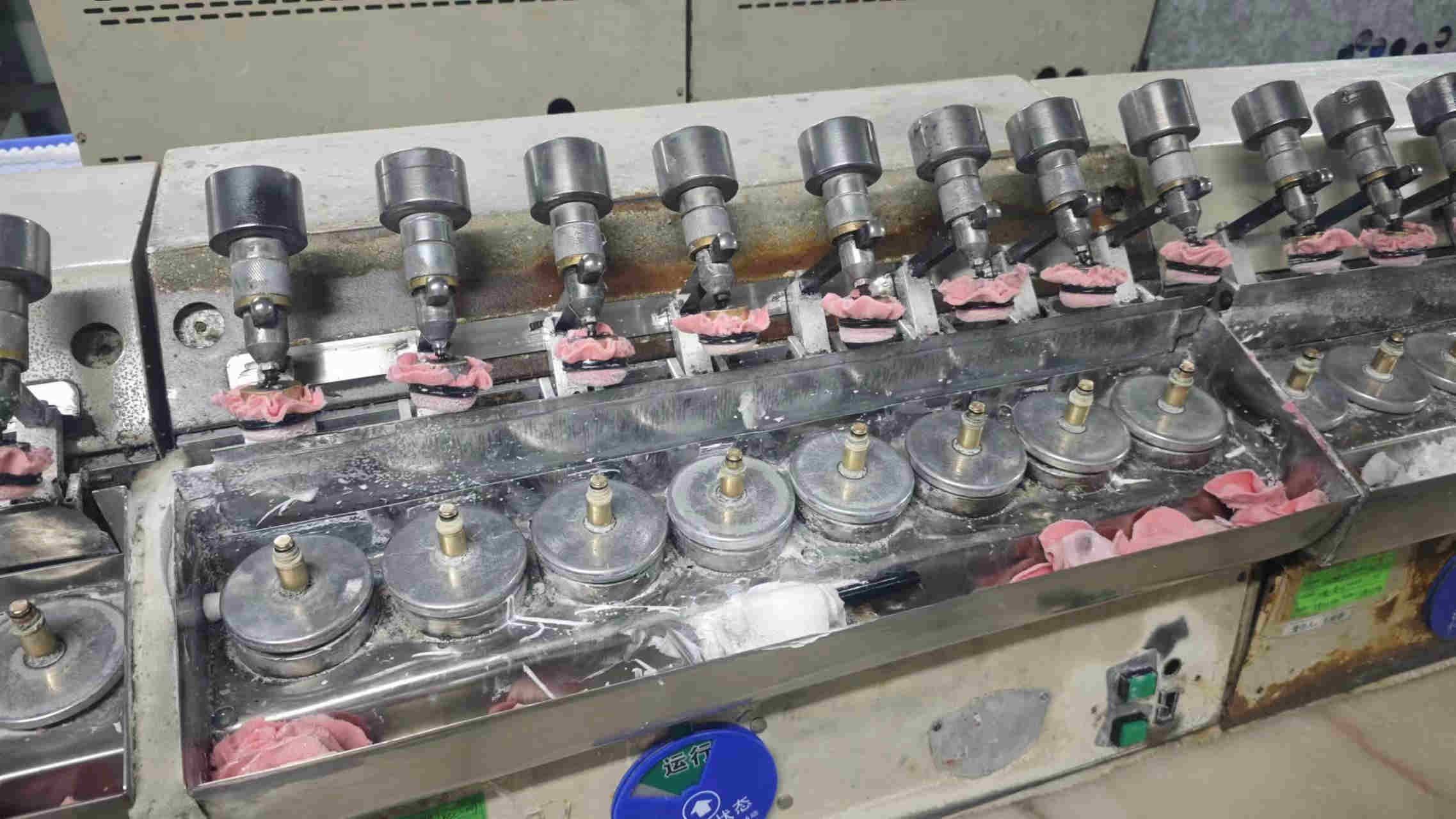
Polish Machine
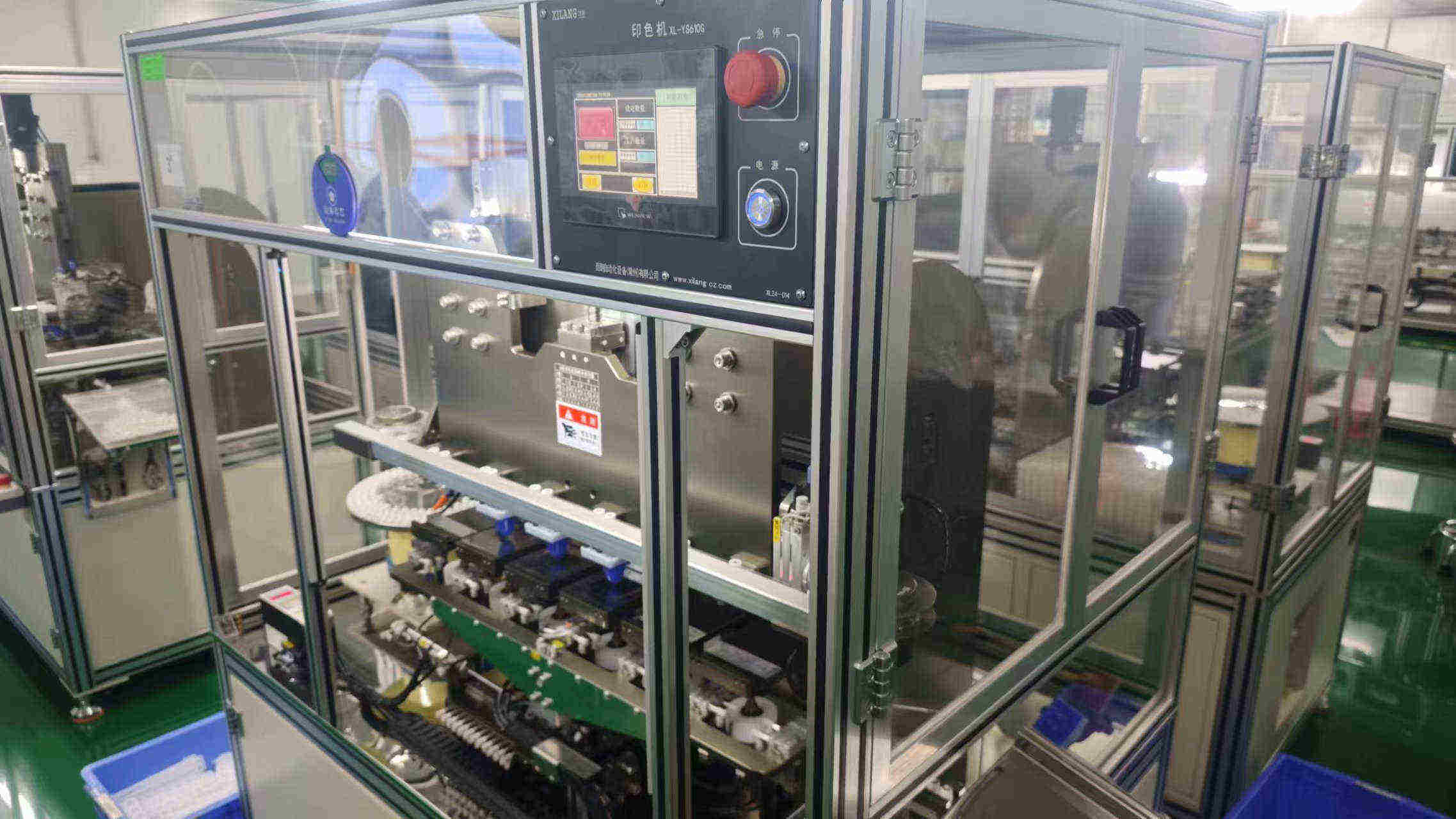
Printing Machine
Localized Application Scenarios: Meeting Global Market Demands
Color contact lenses serve distinct market demographics and localized applications globally. Sourcing strategies are often tailored to these key downstream categories:
1. Daily Cosmetic Wear (North America & Northern Europe): Natural tones such as hazel, gray, and amber dominate. Consumers look for subtle shifts that blend with their natural iris. High hydration, UV protection, and long-wear comfort are key priorities.
2. High-Contrast Fashion & Cosplay (East Asia & Latin America): Vibrant primary colors—such as intense blue, jade green, and cosplay-specific pattern lenses—require strong pigment density. Brands demand high-opacity coverage capable of covering dark brown eyes.
3. Medical & Prosthetic Applications (Global): Custom-tinted soft contact lenses are used to mask corneal scarring, aniridia, or heterochromia. Precision manufacturing ensures color patterns align with the patient's healthy eye.
2. High-Contrast Fashion & Cosplay (East Asia & Latin America): Vibrant primary colors—such as intense blue, jade green, and cosplay-specific pattern lenses—require strong pigment density. Brands demand high-opacity coverage capable of covering dark brown eyes.
3. Medical & Prosthetic Applications (Global): Custom-tinted soft contact lenses are used to mask corneal scarring, aniridia, or heterochromia. Precision manufacturing ensures color patterns align with the patient's healthy eye.
Frequently Asked Questions: Technical Sourcing Specifications
Q1: How do you ensure pigments in color lenses do not contact the cornea?
We employ double-cladding sandwich technology. The color pattern is printed onto a sub-layer of monomer, cured, and then encapsulated within a protective layer of hydrogel material. This prevents direct pigment contact with ocular tissue, ensuring safety.
Q2: What is the lead time for custom OEM/ODM orders?
Typical custom formulation and pattern testing takes 15 to 21 business days. Once the master mold and print alignment are approved, mass production runs are generally completed within 30 to 45 days, depending on regulatory documentation and batch size.
Q3: Are the lenses suitable for dark brown eyes?
Yes. Our 3-tone design features a high-opacity core print combined with a translucent limbal ring. This structure covers dark irises while maintaining a natural, integrated appearance.
Q4: What base curves and diameters are available?
Our standard line features a base curve (BC) of 8.5mm to 8.6mm and diameters (DIA) from 14.0mm to 14.5mm. We can customize these parameters for specific markets based on target anatomical datasets.
Complete B2B Product Portfolio
Explore additional clinical-grade cosmetic lenses and packaging solutions designed for international distribution channels.