Featured Osaka-Series 14.0mm Color Contact Lenses
Explore our top-tier cosmetic lens solutions customized for high-comfort daily wear and natural look definition. Utilizing proprietary Japanese-inspired color profiles combined with advanced cleanroom production technology.
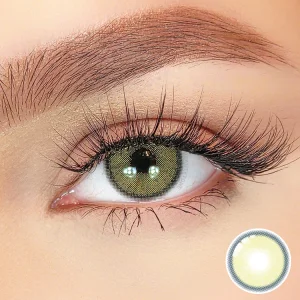
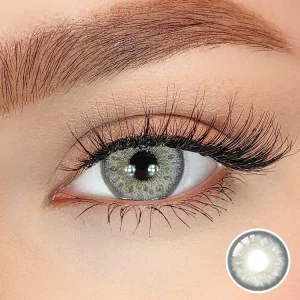

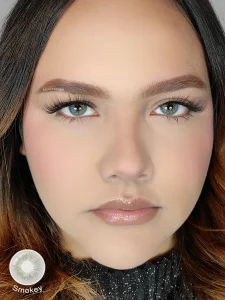
The Osaka Precision Optical Landscape & Global Manufacturing Synergy
Osaka has long stood as a historical powerhouse of high-end manufacturing, precision engineering, and biochemical research in Japan. Known for the famous Saito Life Science Park and the extensive precision tooling networks of Higashiosaka, the region is highly specialized in medical device manufacturing. Colored contact lenses manufactured or designed using Osaka's engineering paradigms are globally recognized for meeting the strictest physiological tolerance standards.
Global Quality Compliance
Integrating Japan's strict PMDA (Pharmaceuticals and Medical Devices Agency) standards with global CE Mark, US-FDA, and ISO 13485 certifications to guarantee absolute ocular safety and material stability across international boundaries.
Precision Micro-Molding
Using high-precision cast molding technology optimized in advanced Japanese industrial clusters. Injection tools operate at tolerances under 0.05 microns, eliminating structural deviations and ensuring edge profiles that prevent corneal abrasions.
Flexible OEM Procurement
Providing agile private label solutions and custom graphic design options. We bridge the gap between medical device requirements and aesthetic beauty marketing, offering flexible MOQs and comprehensive shipping systems.
The E-E-A-T Framework: Why Trust Osaka-Standard Manufacturing
When developing cosmetic contact lenses, the priority must always remain ocular safety. The cornea requires constant atmospheric oxygen flow; any contact lens placed over the eye acts as a barrier. Standard color lenses utilize pigments that can seep through low-grade polymer matrixes. Our partnership with research and technology standards in Osaka enables the production of 14.0mm diameter contact lenses built with protective multi-layer barrier encapsulation, ensuring pigments never directly contact corneal or conjunctival tissue.
The Biophysics of 14.0mm Diameter: The Anatomical Sweet Spot
In user-intent search mining, distributors and optical buyers repeatedly search for the specific 14.0mm diameter metric. Understanding the biological reason behind this preference is key to capturing buyer interest. While larger lenses (14.5mm or 15.0mm "circle lenses") provide a highly exaggerated, cartoonish look, the 14.0mm diameter functions as the "natural enhancement" sweet spot.
Anatomically, the average human iris diameter ranges from 11.5mm to 12.5mm. A 14.0mm lens extends the colored iris boundaries just enough to create a prominent, bright-eyed appearance without covering too much scleral area or constricting the limbal zone. This dimension is physiological perfection for maintaining high tear-film circulation and oxygen saturation.
| Lens Diameter (mm) | Typical Graphic Diameter (mm) | Target Demographic & Aesthetics | Oxygen Permeability (Dk/t) Balance | Clinical Comfort Rating |
|---|---|---|---|---|
| 13.8mm | 12.8mm - 13.0mm | Ultra-natural/Minimalist adjustment | Excellent (Minimal surface coverage) | High (Optimal tear circulation) |
| 14.0mm | 13.2mm - 13.4mm | Standard natural enhancement / Osaka Favorite | Optimized (Ideal thickness/permeability) | Excellent (Balanced sagittal depth) |
| 14.2mm | 13.5mm - 13.6mm | Defined limbal enhancement / High Definition | Moderate (Requires advanced hydrogel formulation) | Good (Proper base curve pairing required) |
| 14.5mm | 13.8mm - 14.0mm | Cosplay / Dramatic doll-eye effect | Requires silicone hydrogel base for long wear | Moderate (Recommended for limited daily hours) |
Oxygen Flow and Base Curve (BC) Compatibility
A standard 14.0mm color lens must be paired with an optimal Base Curve—typically between 8.5mm and 8.7mm. If the base curve is too steep, the lens locks onto the cornea, causing hypoxia. If too flat, it shifts excessively, causing visual aberration. By standardizing manufacturing metrics under Japanese quality control regulations, our 14.0mm lenses present an optimized sagittal height that conforms to 95% of corneal topologies, achieving unparalleled all-day comfort.
Manufacturing Performance & Standard Metrics
Our fully automated production facilities combine scalable output with precision micro-inspection tools.
Who We Are | Dongguan Dailylensie Co., Ltd.
At Dongguan Dailylensie Co., Ltd., we bridge the gap between medical-grade manufacturing precision and cutting-edge eye aesthetics. Operating as a modern contact lens factory, we specialize in full-service OEM/ODM and private-label solutions for the global market, utilizing engineering principles developed in optical clusters like Osaka.
We don't just manufacture lenses; we bring vision to life. Our facility features fully automated production lines and an in-house design lab capable of executing complex, multi-tone color gradients and custom patterns that align with current beauty trends. Safety and comfort remain our bedrock—every lens undergoes rigorous automated cosmetic inspection and hydration testing in our certified cleanrooms.
Whether you are an established optical brand looking for a stable supply chain or a rising beauty influencer launching your first colored lens line, we provide flexible MOQ options, streamlined regulatory support, and reliable global shipping. Partner with us to experience manufacturing transparency and product excellence.
Interactive Step-by-Step Production Process
Explore our state-of-the-art cleanroom manufacturing workflow, displaying absolute transparency from raw monomer to final sterilization.
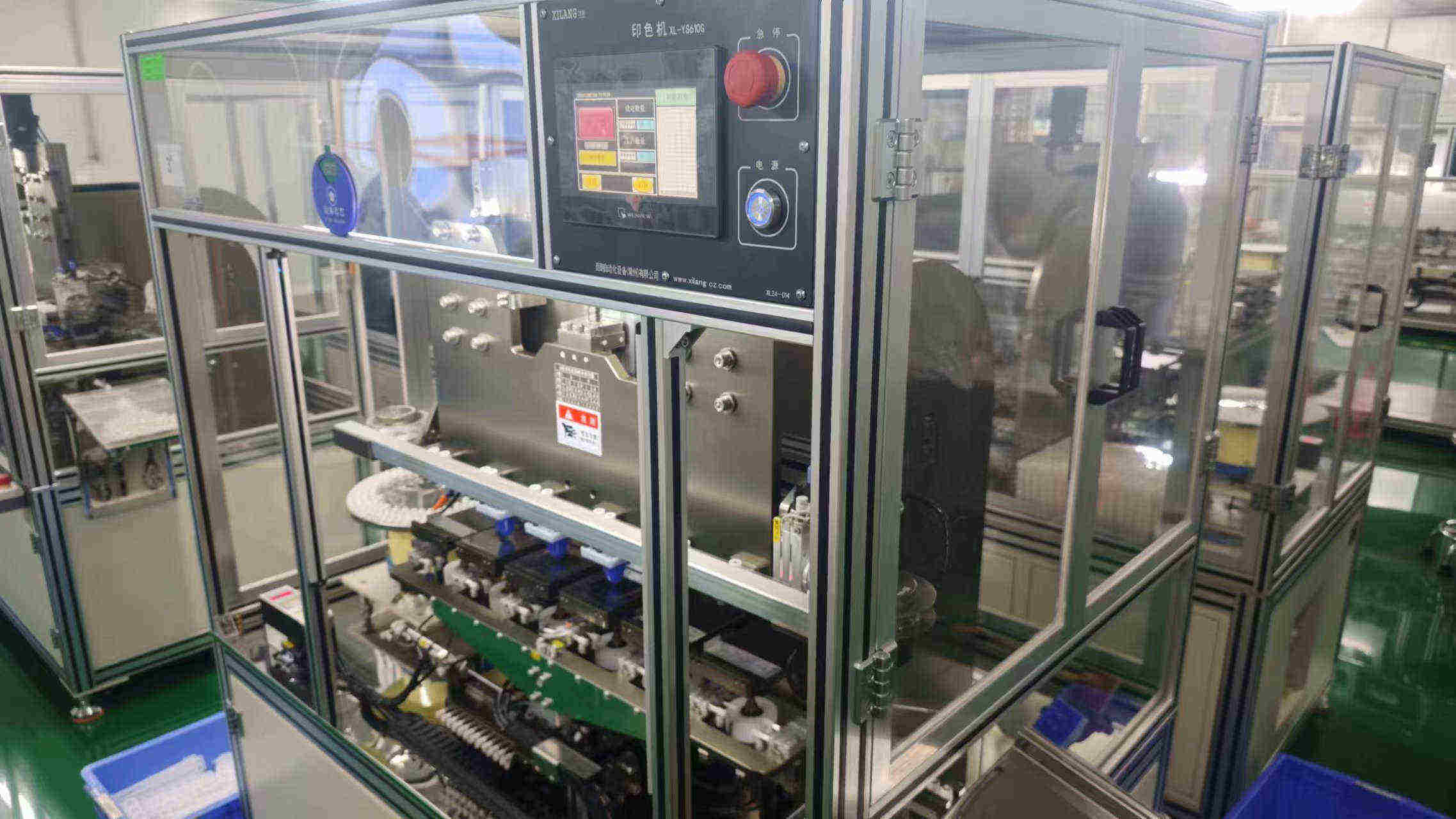
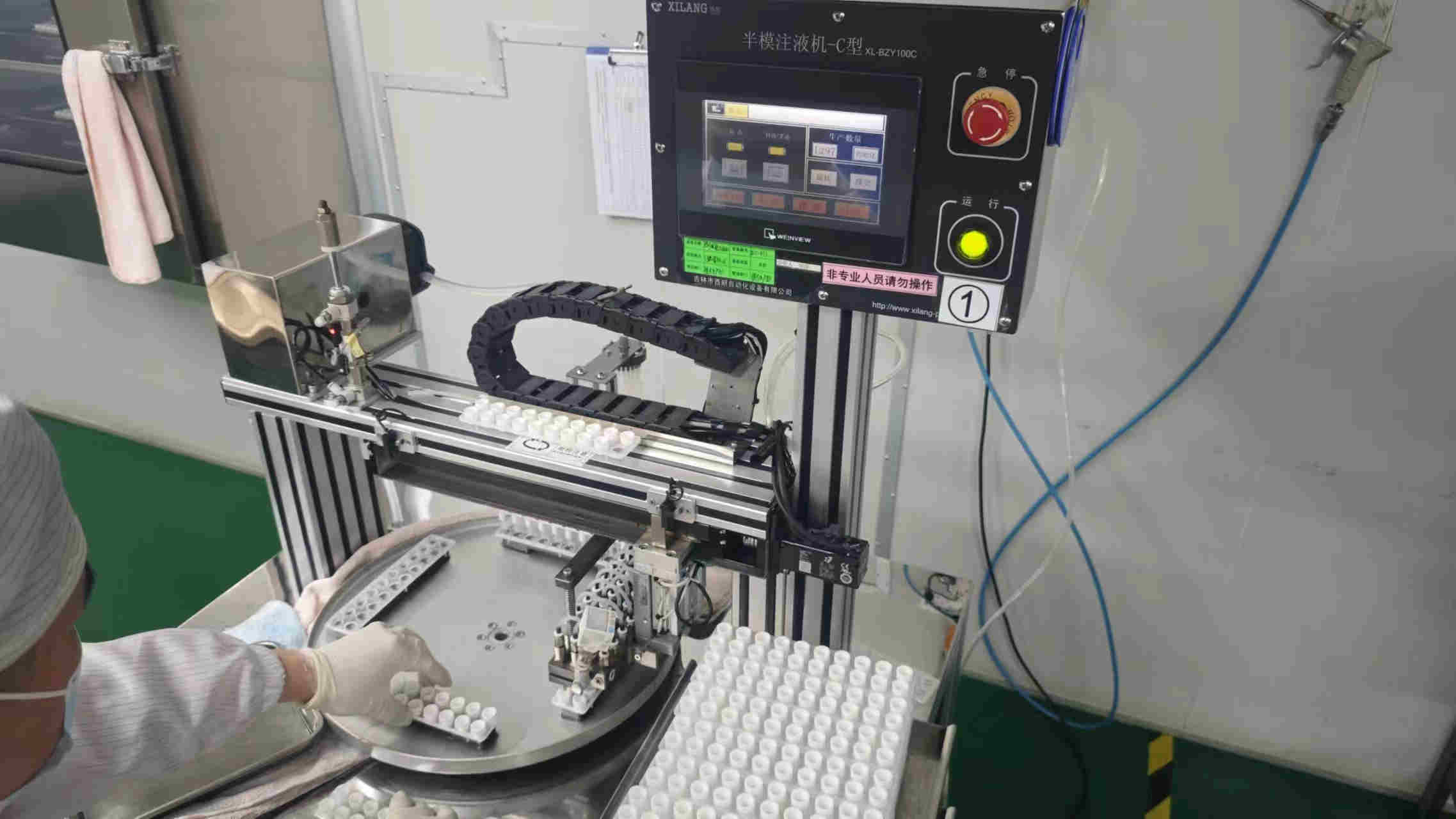
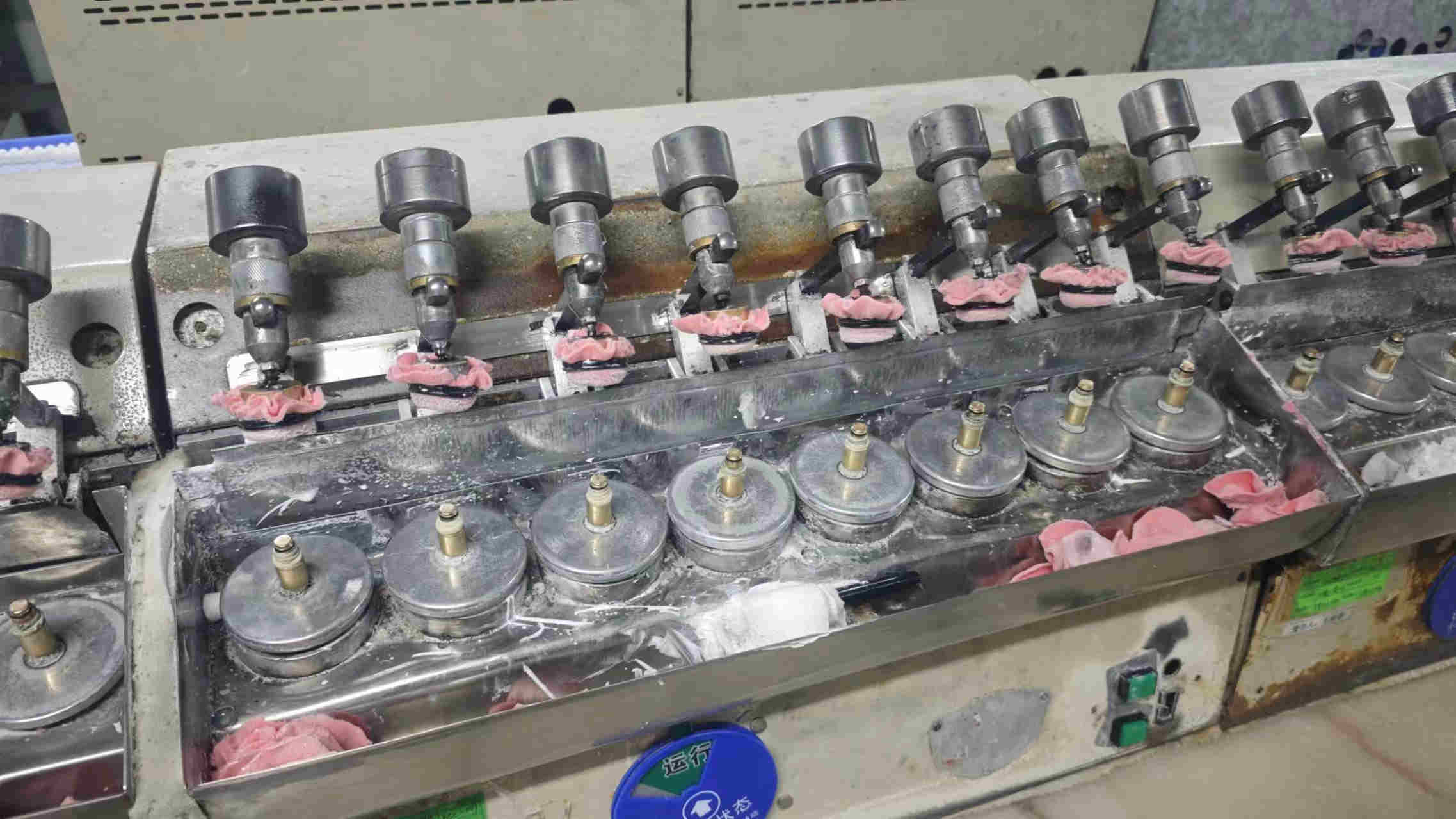
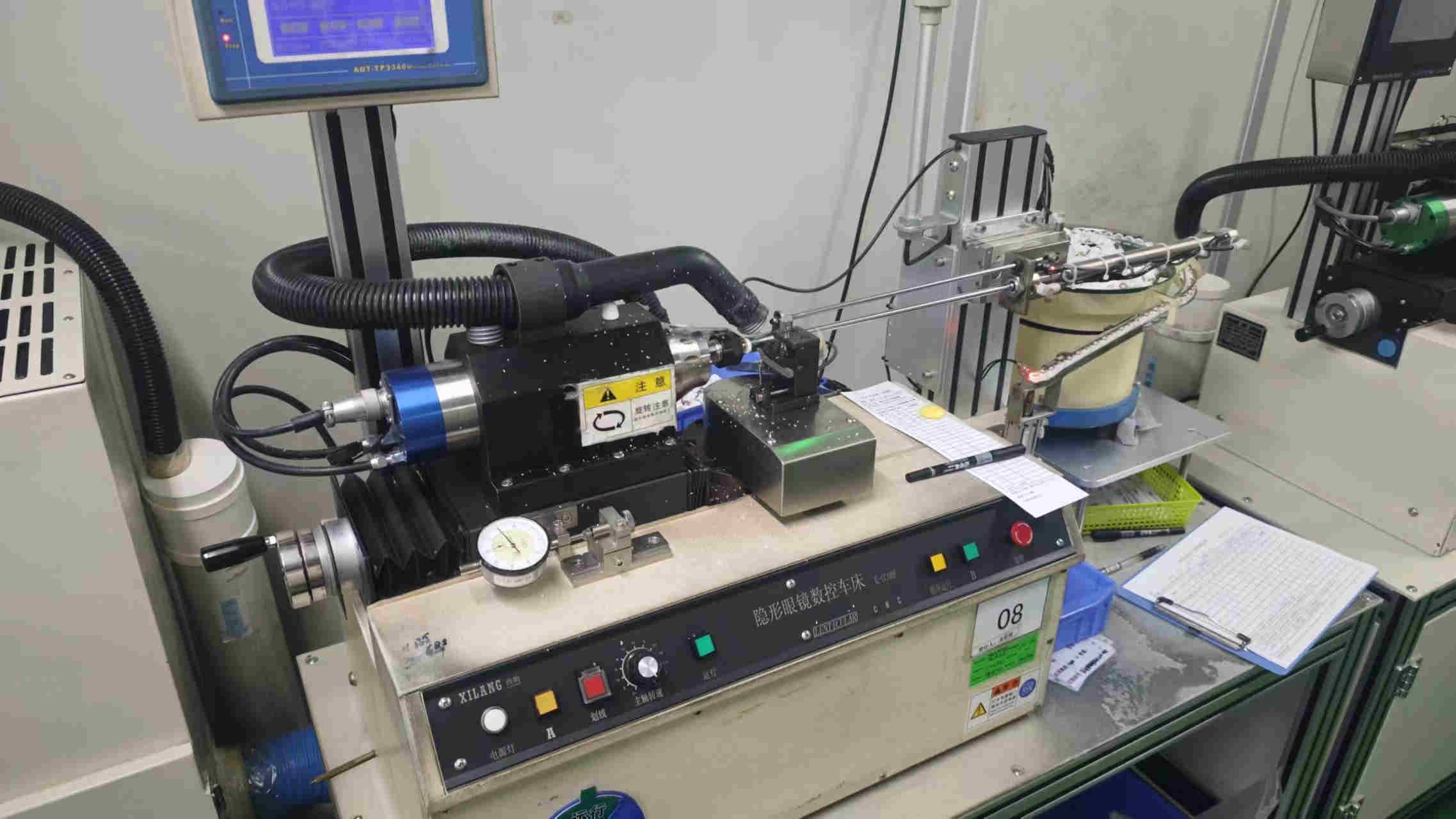
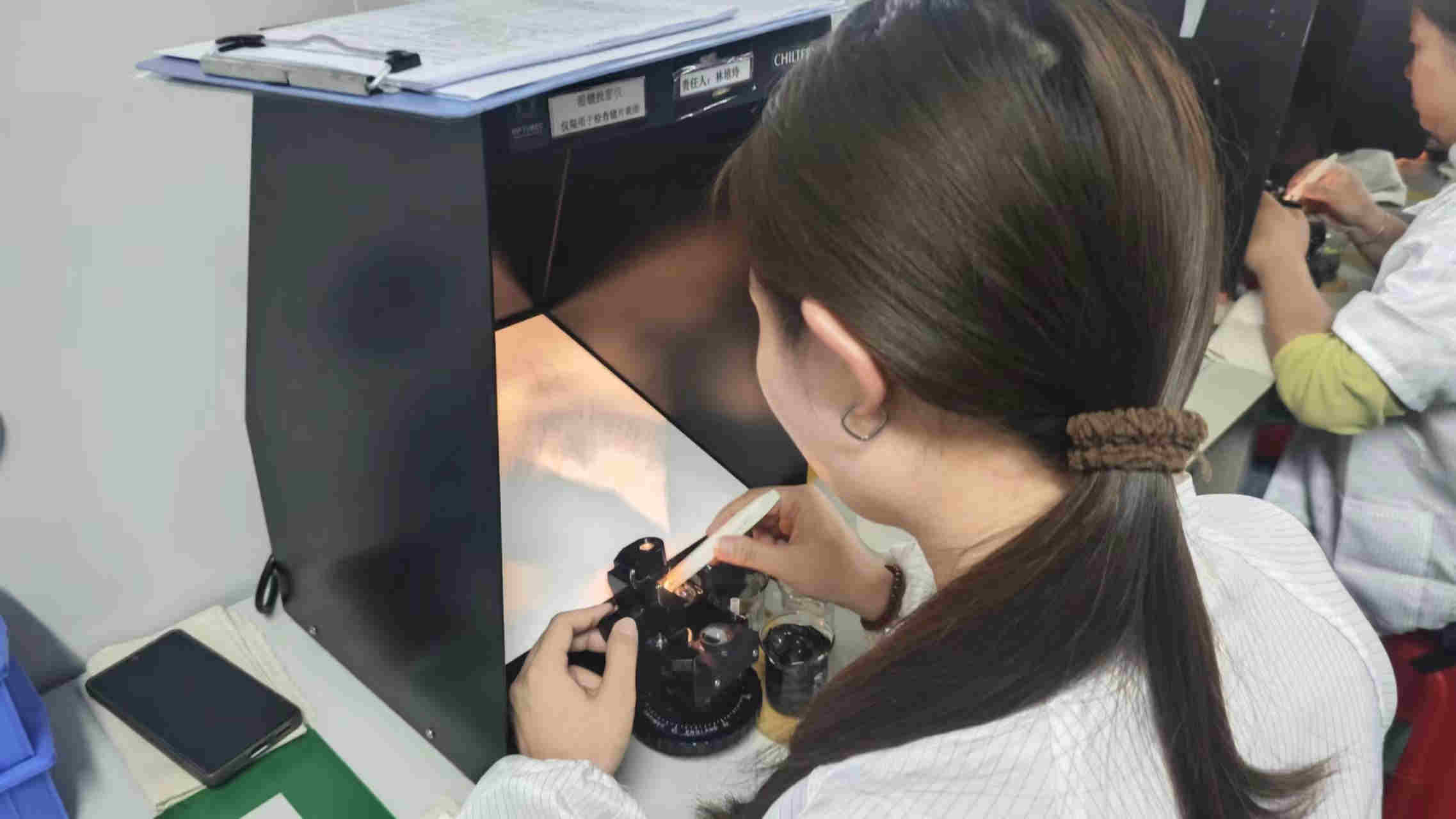
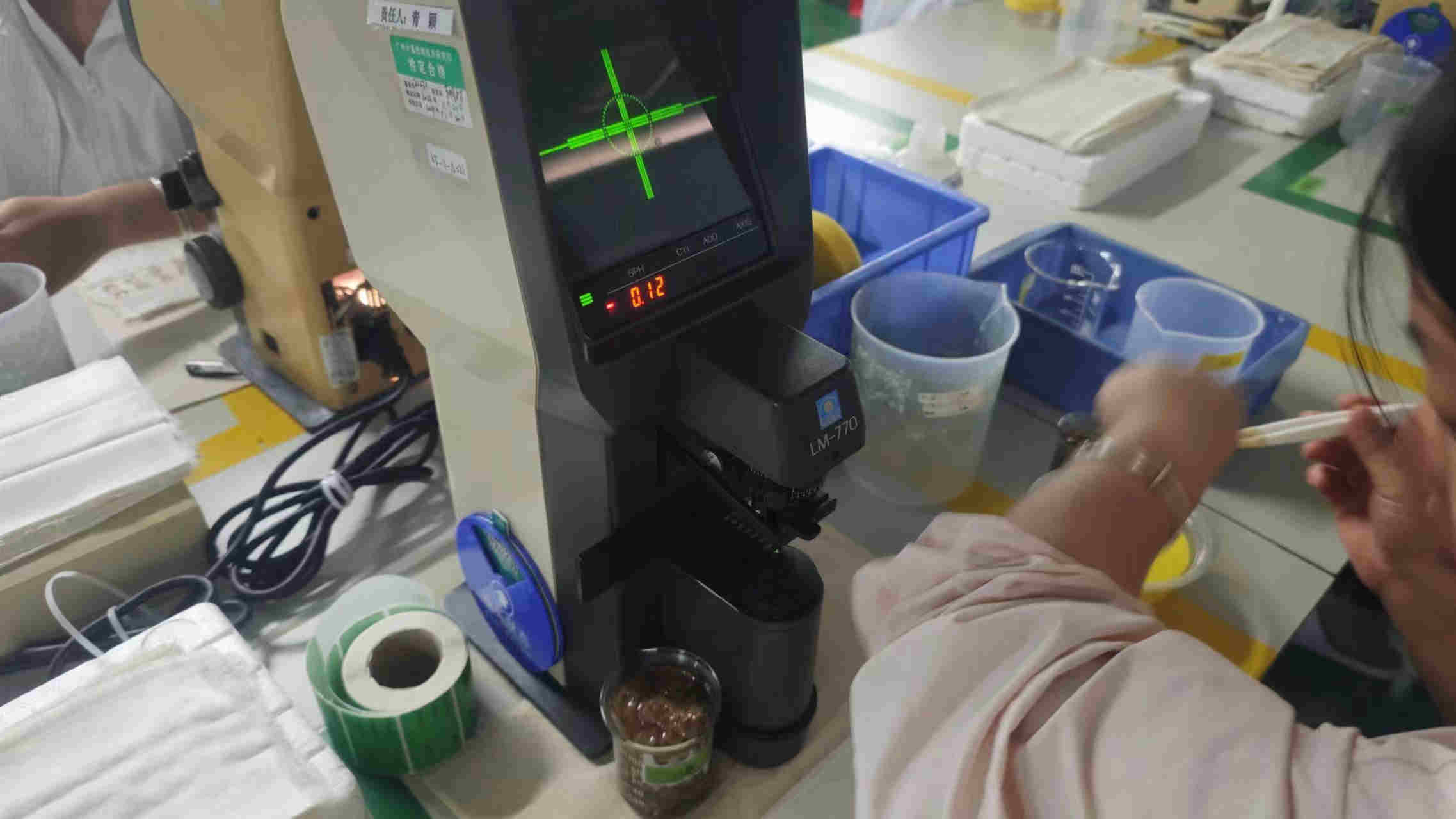
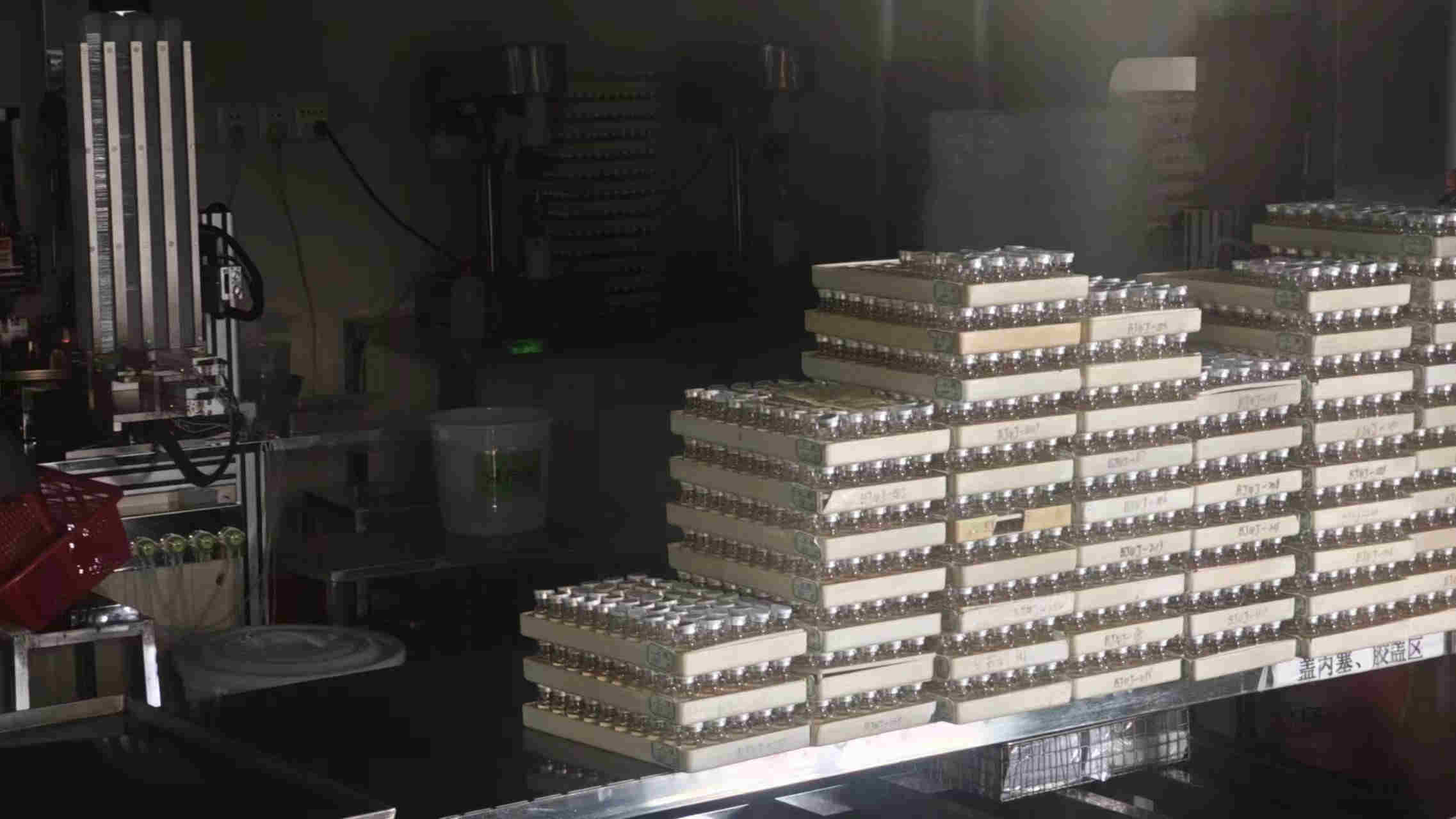
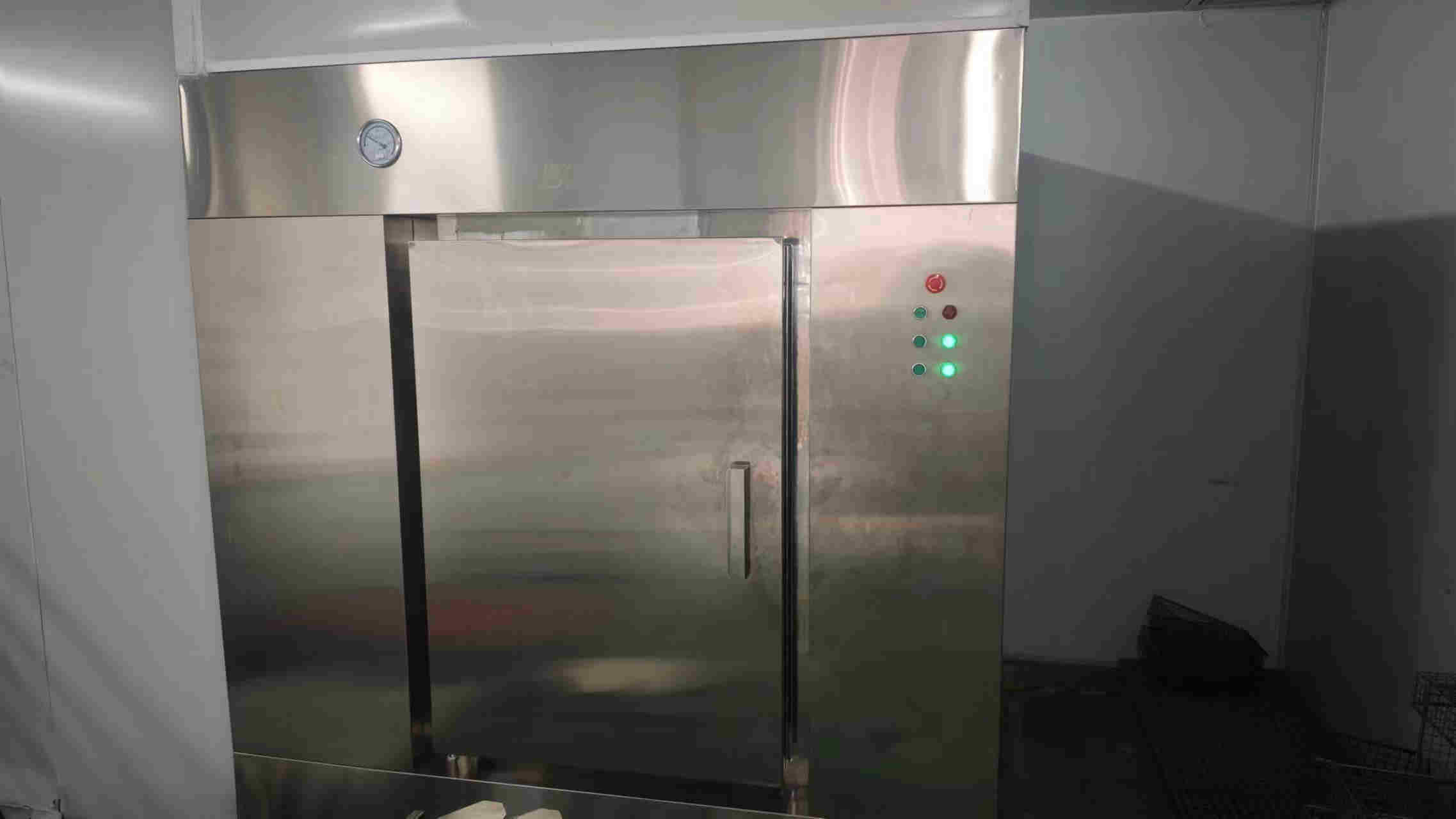
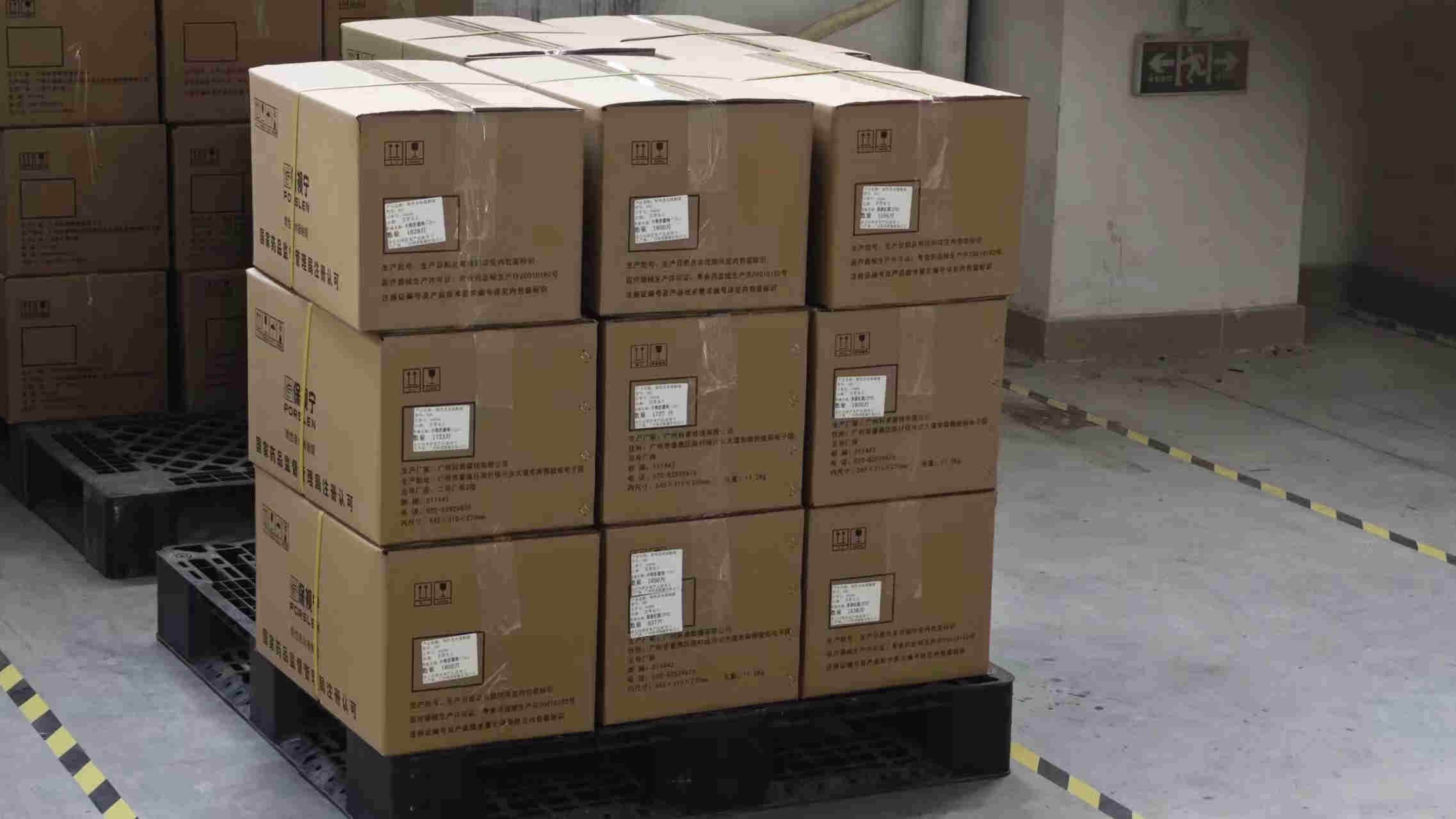
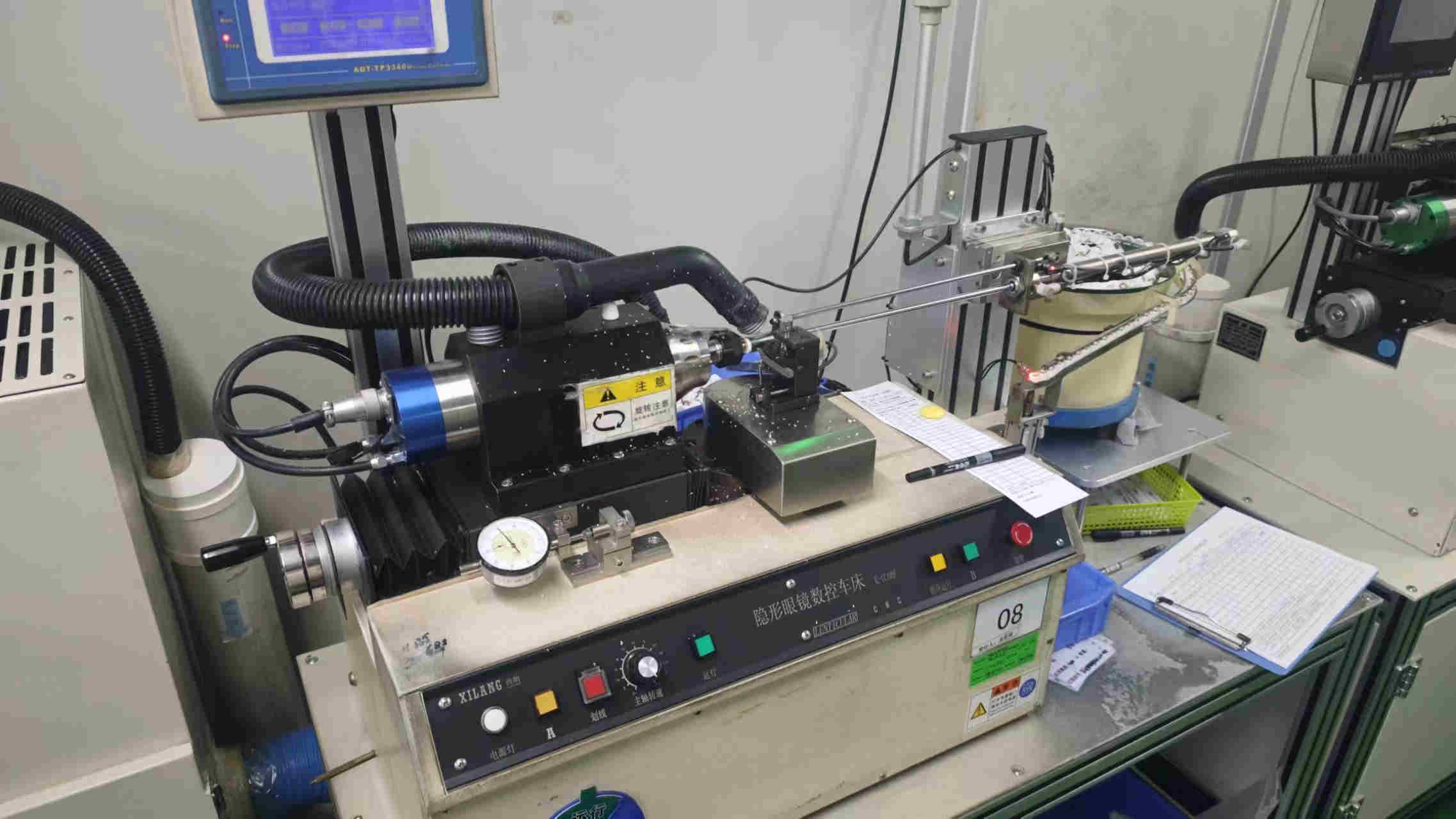
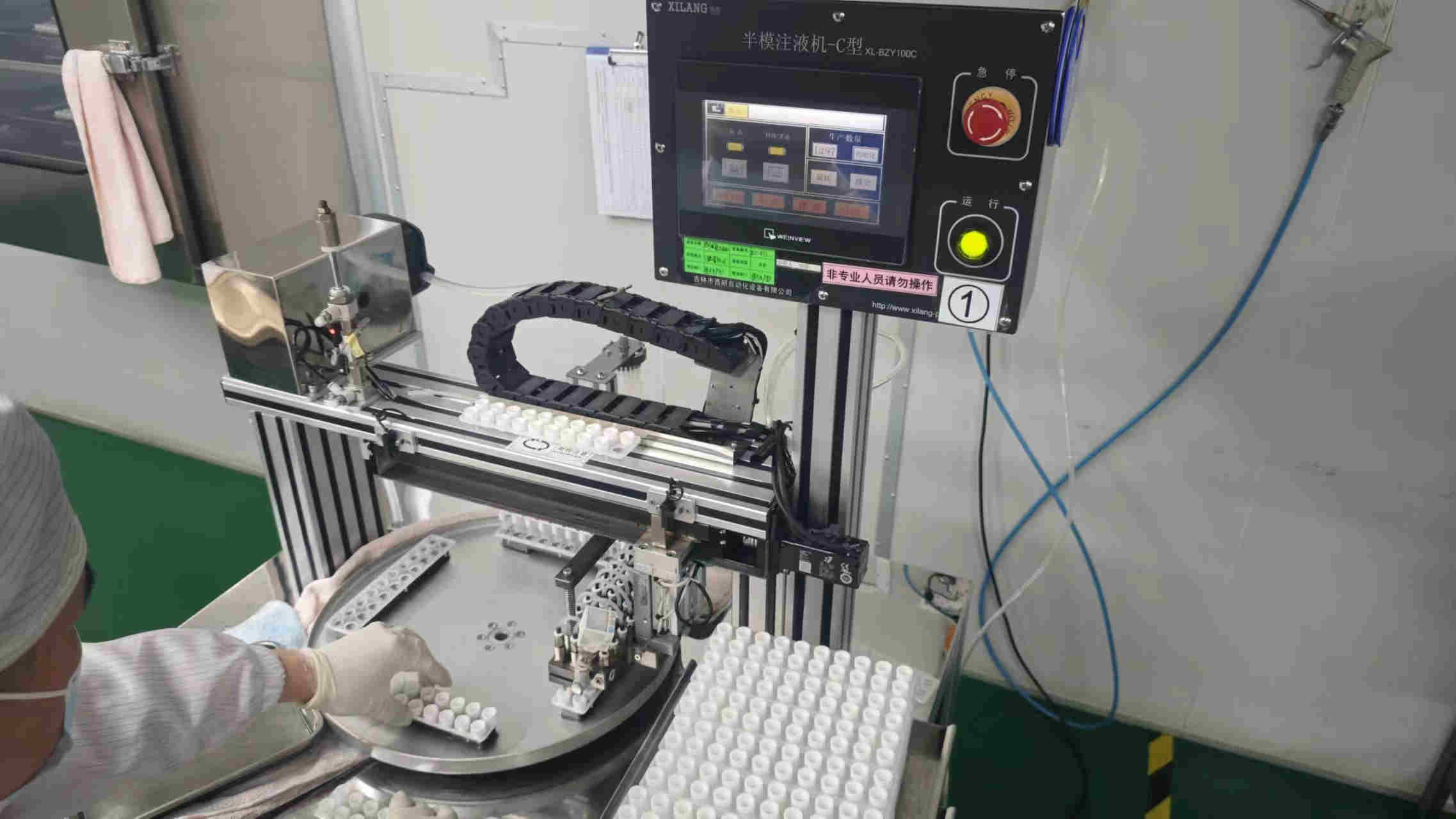
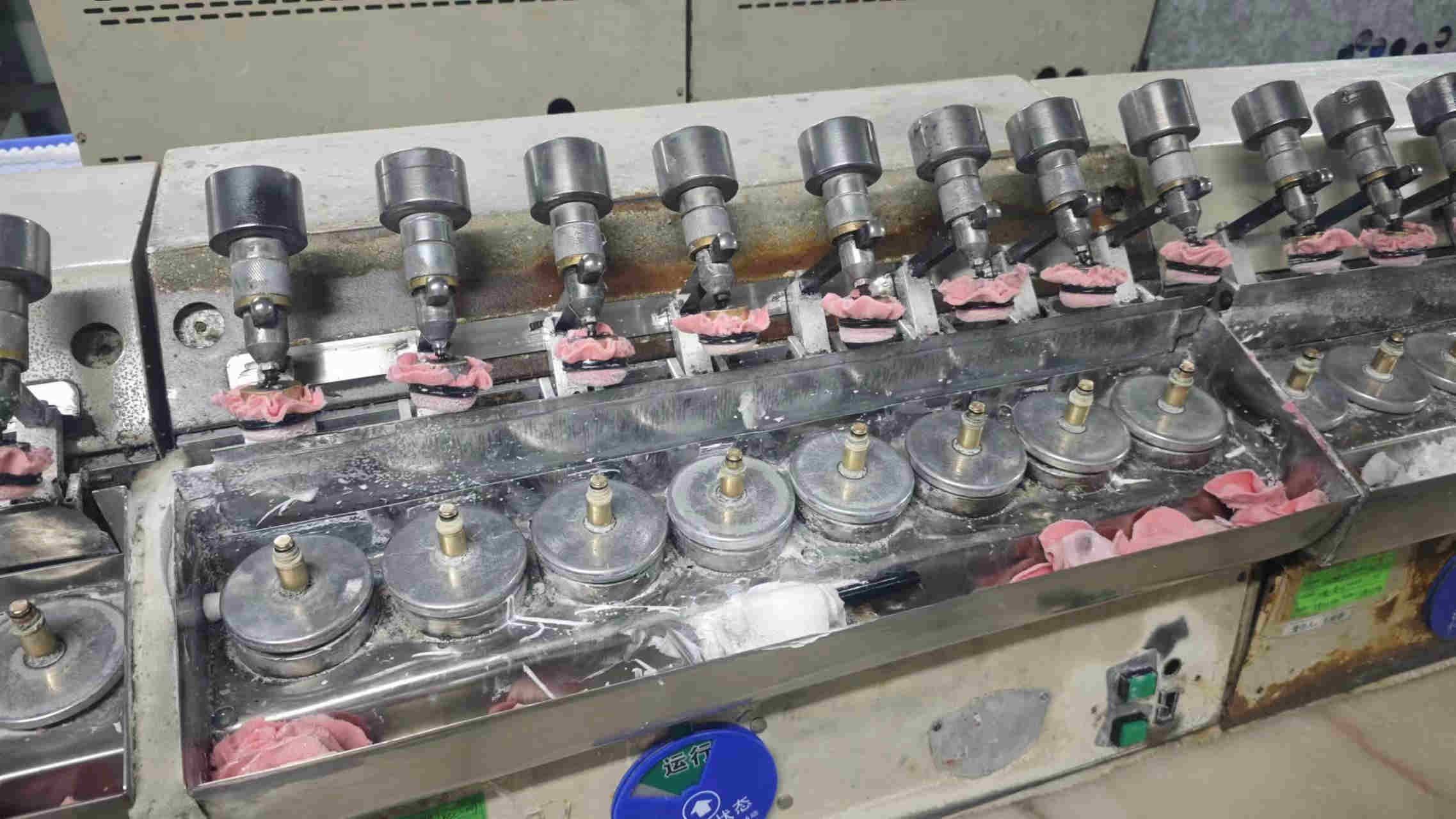
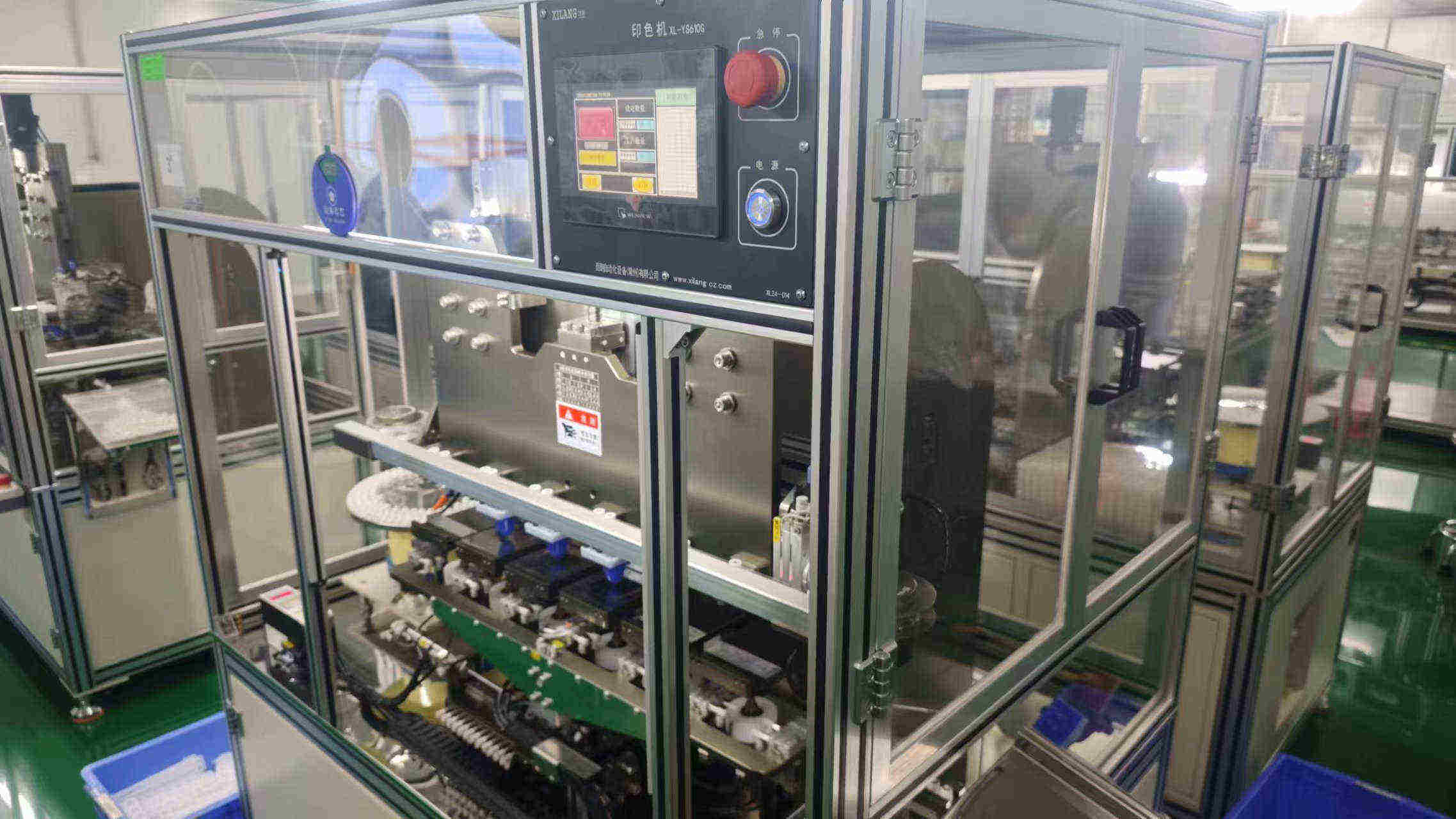
To maintain low manufacturing defect rates, our facility utilizes modern high-speed industrial robotics. Below are the primary components of our heavy machinery floor:
Specialized Ocular Styles & Regional Product Lines
The following premium products are optimized for selective cosmetic modifications, featuring thin-edge geometry for long wearing periods.
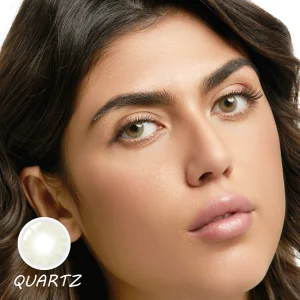
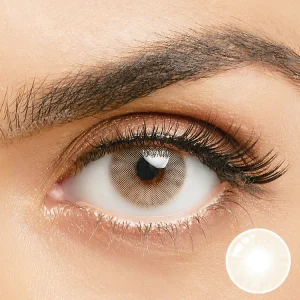
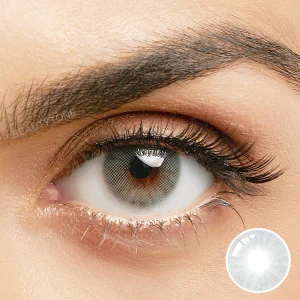
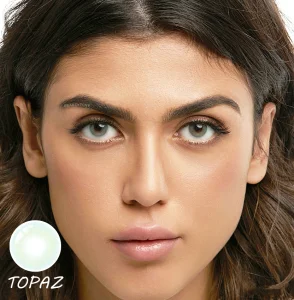
Technical Roadmap: The Future of Color Contact Lenses
The cosmetic contact lens industry is shifting from traditional HEMA (Hydroxyethylmethacrylate) materials to next-generation Silicone Hydrogel (SiHy) compounds. Traditional hydrogels rely on water content to transport oxygen to the eye. However, high water content can lead to dehydration over prolonged wear because the lens pulls moisture from the tear film to maintain its structure. Silicone hydrogel solves this issue by allowing oxygen to pass directly through the silicone molecule, reducing dependence on water content.
Additionally, our technical roadmap incorporates **Smart Hydration Technologies** such as embedded Hyaluronic Acid (HA) in the polymer matrix. This binds water molecules tightly to the lens material, reducing evaporation. Our Osaka engineering associates are also designing UV protection filters (Class 1 UV blocking blocking 90%+ UVA and 99%+ UVB rays) directly into the monomer formulation without affecting the pigments.
Color Encapsulation - The Sandwich Structure
Our automated pad printing uses a specialized dual-layer encapsulation system. A thin, transparent micro-layer of Polymacon covers the colored print. The colored pattern is effectively "sandwiched" between lens polymer layers. As a result, the active dye materials are completely locked inside, presenting zero risk of pigment migration or mechanical friction against the delicate corneal epithelium.
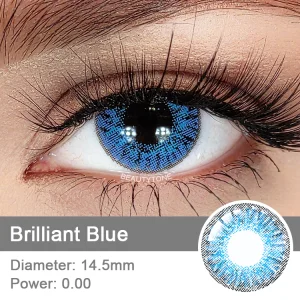
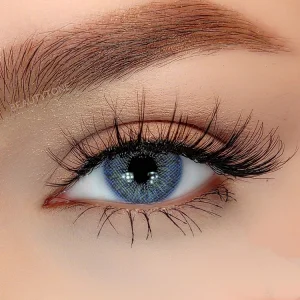
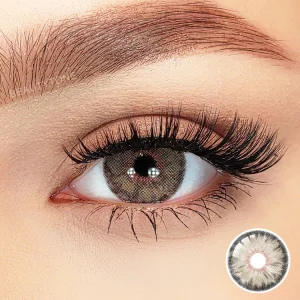
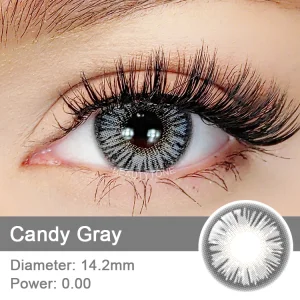
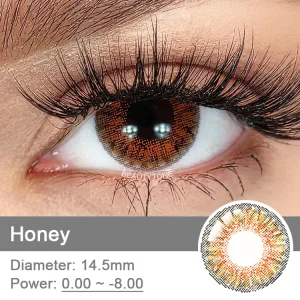
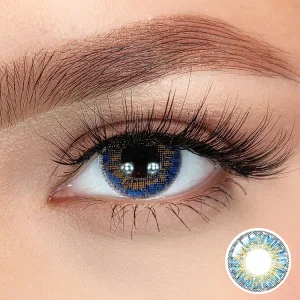
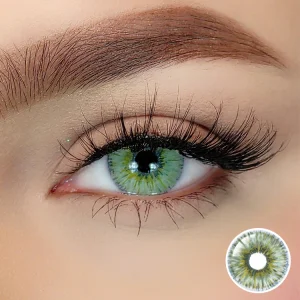
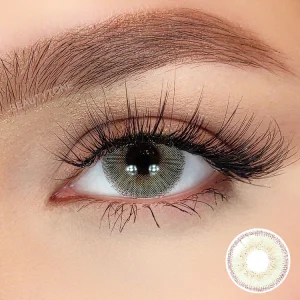
Catalog Selection — 14.0mm & 14.2mm Professional Series
Explore our extensive range of high-definition colors, custom 3-tone blends, and yearly replacement options designed for global wholesale supply chains.
Frequently Asked Questions (FAQ)
Find detailed answers to key questions about sourcing, manufacturing standards, and regulatory setups for cosmetic contact lenses.
What makes 14.0mm diameter contact lenses the preferred standard?
The 14.0mm diameter offers the optimal balance between natural iris enlargement and physiological comfort. It extends the visible iris region slightly without covering excessive scleral surface area, facilitating healthy tear flow and preventing corneal hypoxia.
How does the manufacturing process prevent pigment leakage on colored contact lenses?
We utilize a specialized dual-layer sandwich encapsulation technology. The pigment ink is locked between two layers of clear polymer material, ensuring that the color pattern never comes into contact with the ocular surface.
Do you support full OEM/ODM customization for global optical brands?
Yes, we provide extensive OEM/ODM manufacturing, including custom graphic pattern designs, custom packaging templates (blister packs or vials), and customizable base curves and water content specifications (from 38% to 58%).
What medical certifications do your manufacturing lines carry?
Our facilities comply with major global regulatory standards, including ISO 13485 (Medical Devices Quality Management Systems), CE certification for the European market, and alignments with Japan's PMDA manufacturing guidelines.
What is the typical minimum order quantity (MOQ) for custom private label orders?
MOQs are highly flexible depending on the custom packaging requirements and design complexity. Standard OEM private label setups typically start at 1,000 pairs per SKU to optimize cost-efficiency on high-speed automated production lines.