Contact Lens Care Product Manufacturers & Supplier for Tokyo
Bridging high-precision material sciences, automated OEM/ODM manufacturing, and regulatory compliance for Tokyo's professional eye care and fashion contact lens sectors.
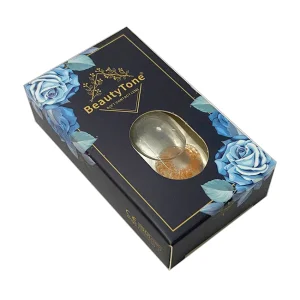
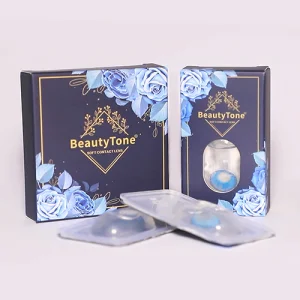
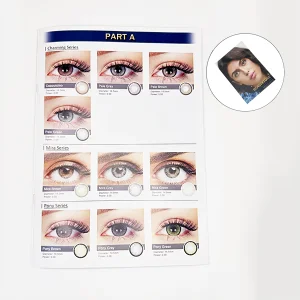
Tokyo-Standard Retail Packaging & Custom Collateral
Premium primary and secondary packaging designed specifically to survive rigorous Tokyo logistics and meet strict retail aesthetic preferences.
Executive Summary: The Tokyo Contact Lens and Care Ecosystem
Tokyo stands as one of the most sophisticated contact lens markets globally. With a highly demanding demographic of daily contact lens wearers ranging from corporate professionals in Marunouchi to youth fashion-forward subcultures in Shibuya and Harajuku, the requirements for quality, safety, and comfort are unparalleled. Consumers and eye care clinics require state-of-the-art contact lens care products—such as multi-purpose disinfecting solutions (MPDS), hydrogen peroxide systems, and premium rewetting drops—that prioritize ocular health, compatibility with modern silicone hydrogel lenses, and superior moisture retention.
For local distributors, importers, and retail chains in Tokyo, finding a manufacturer capable of delivering medical-grade quality alongside flexible custom configurations is critical. The market is shifting rapidly towards high-performance daily disposable lenses and advanced formulation care solutions that guard against lipid and protein deposits while preserving the delicate tear film.
Who We Are | Dongguan Dailylensie Co., Ltd.
At Dongguan Dailylensie Co., Ltd., we bridge the gap between medical-grade manufacturing precision and cutting-edge eye aesthetics. Based in Dongguan, we are a modern contact lens factory specializing in full-service OEM/ODM and private-label solutions for the global market, with dedicated logistics pipelines targeting Tokyo and the broader Kanto region.
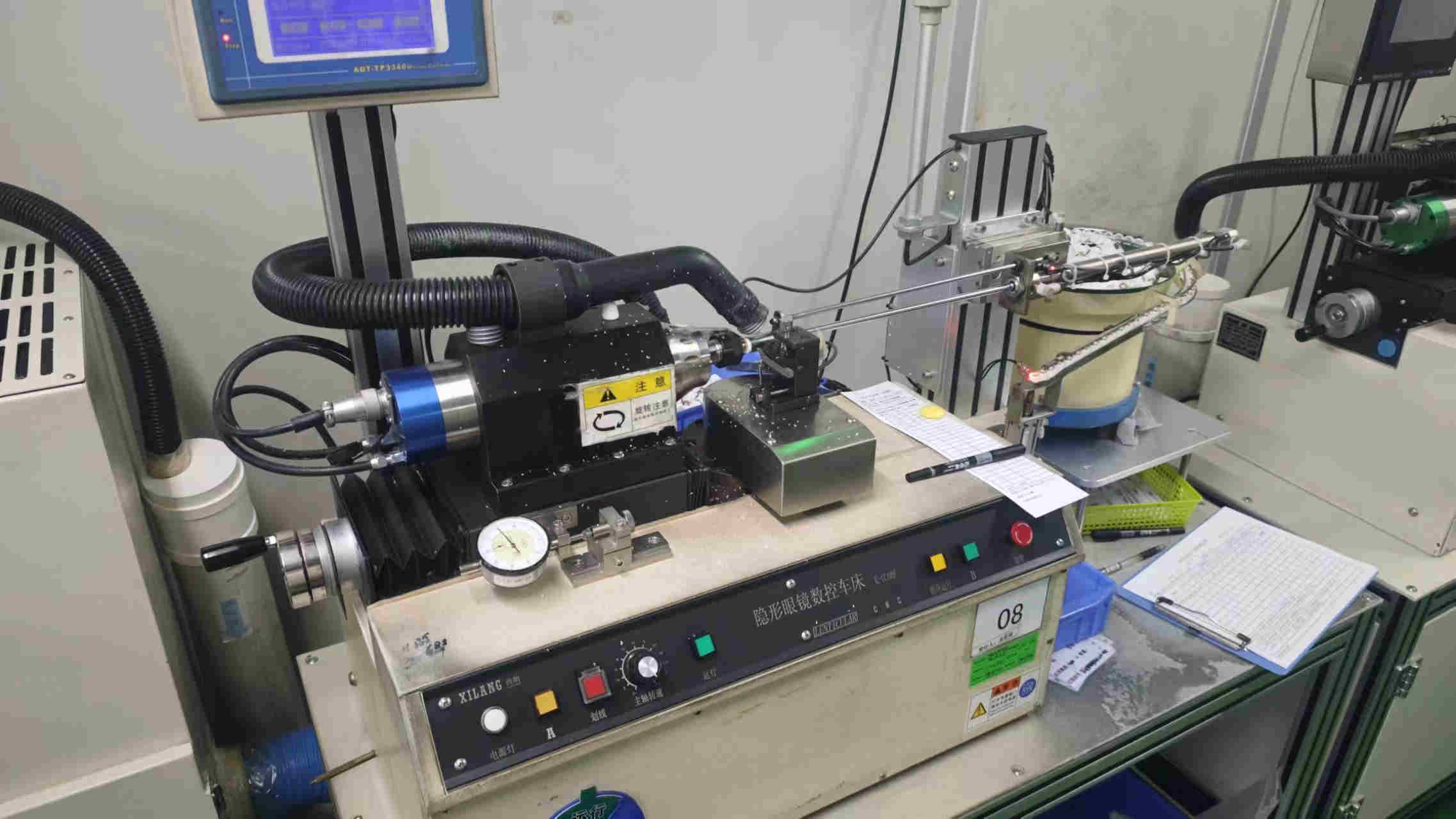
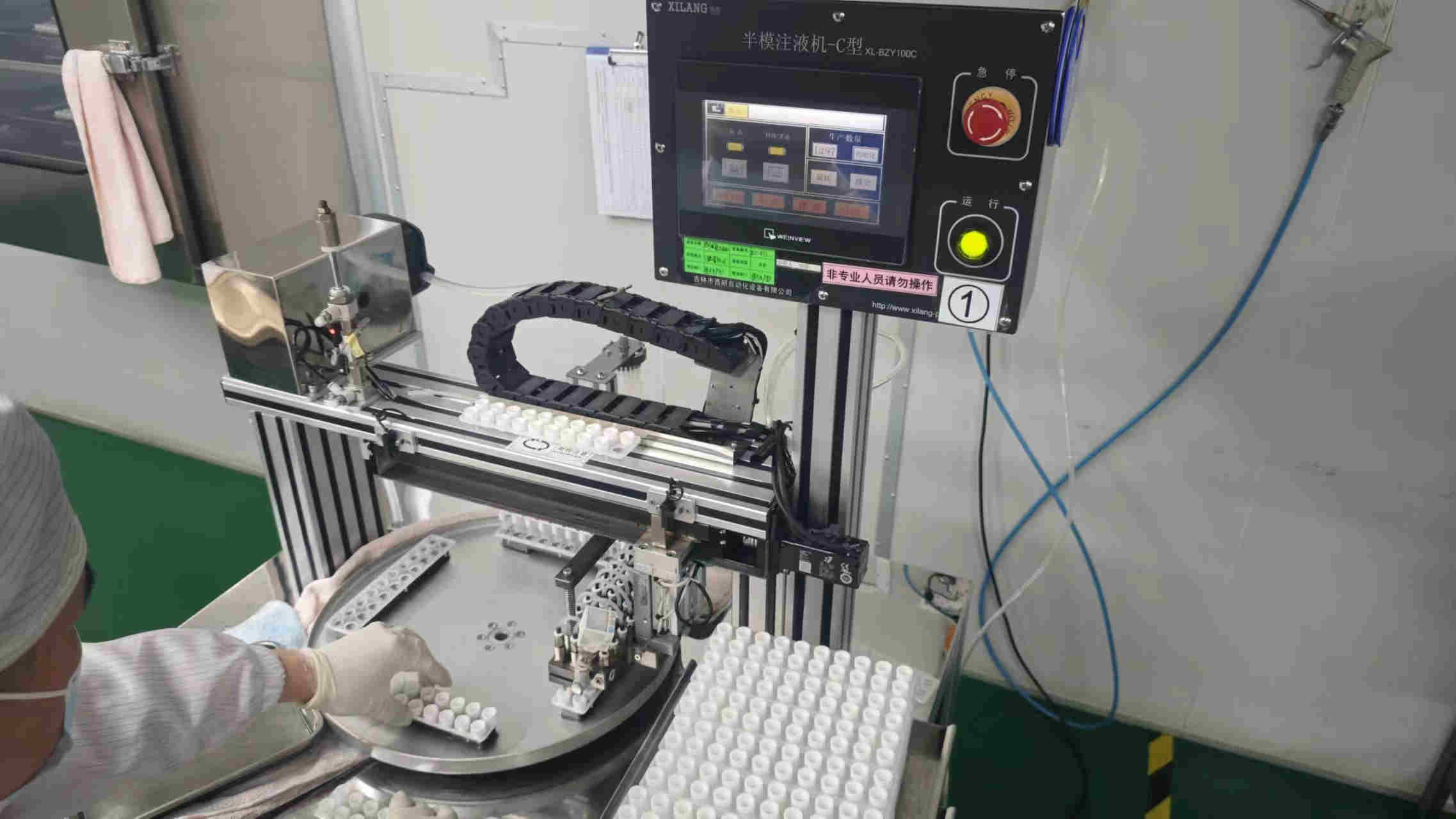
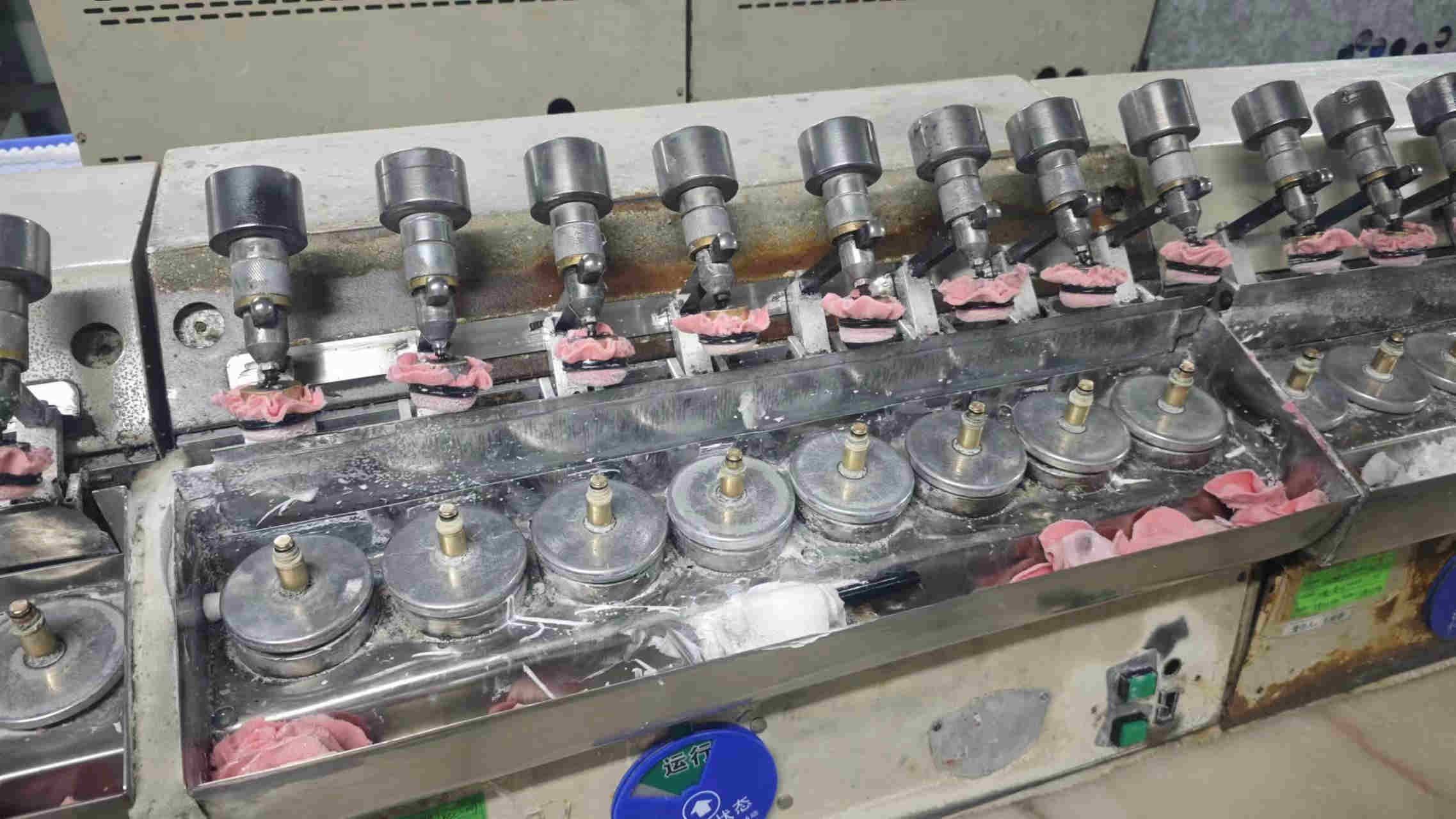
We don't just manufacture lenses; we bring vision to life. Our facility features fully automated production lines and an in-house design lab capable of executing complex, multi-tone color gradients and custom patterns that align with current beauty trends. Safety and comfort remain our bedrock—every lens undergoes rigorous automated cosmetic inspection and hydration testing in our certified cleanrooms.
Whether you are an established optical brand looking for a stable supply chain or a rising beauty influencer launching your first colored lens line, Chic Contacts provides flexible MOQ options, streamlined regulatory support, and reliable global shipping. Partner with us to experience manufacturing transparency and product excellence.
Step-by-Step Advanced Industrial Production Process
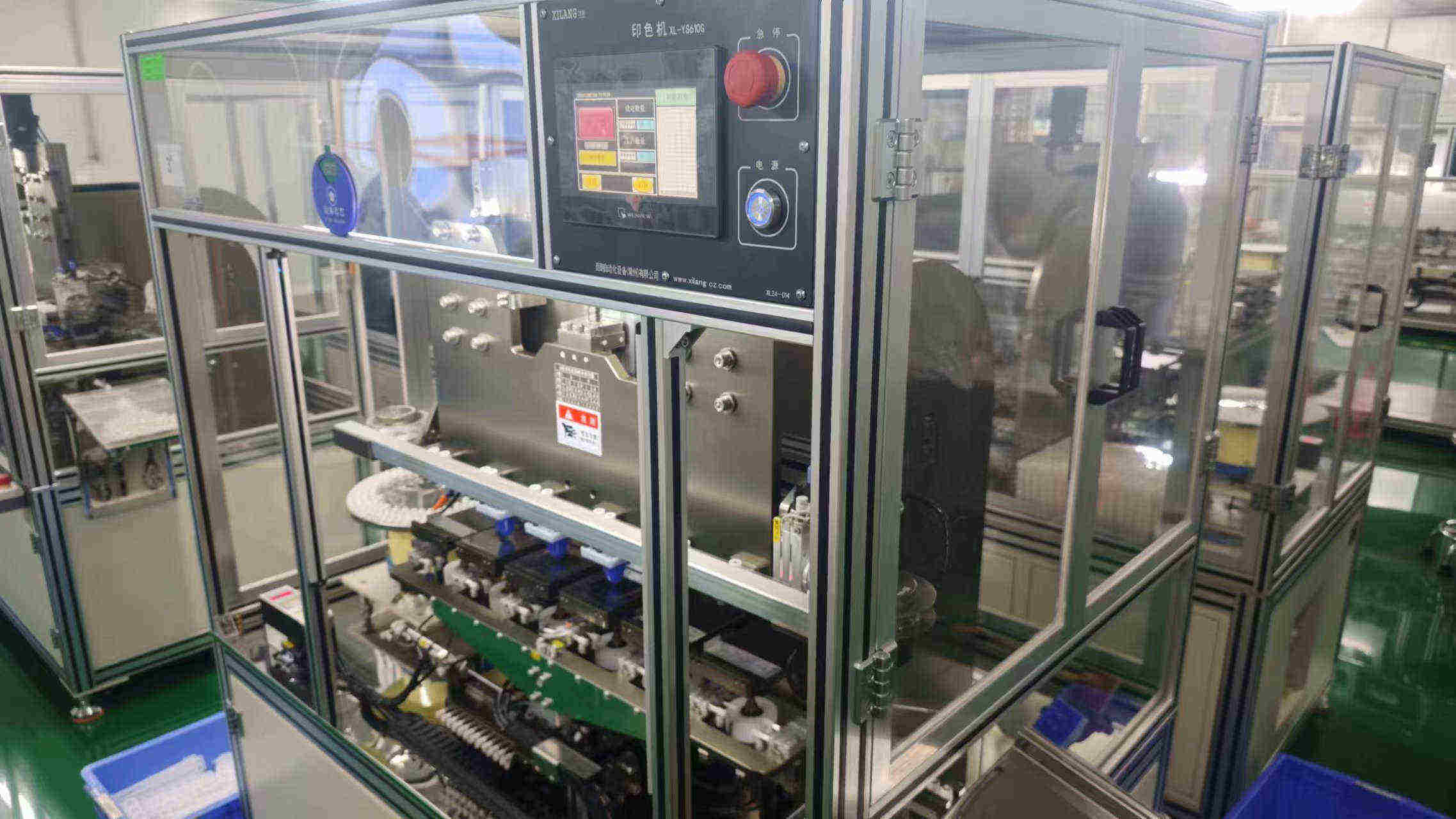
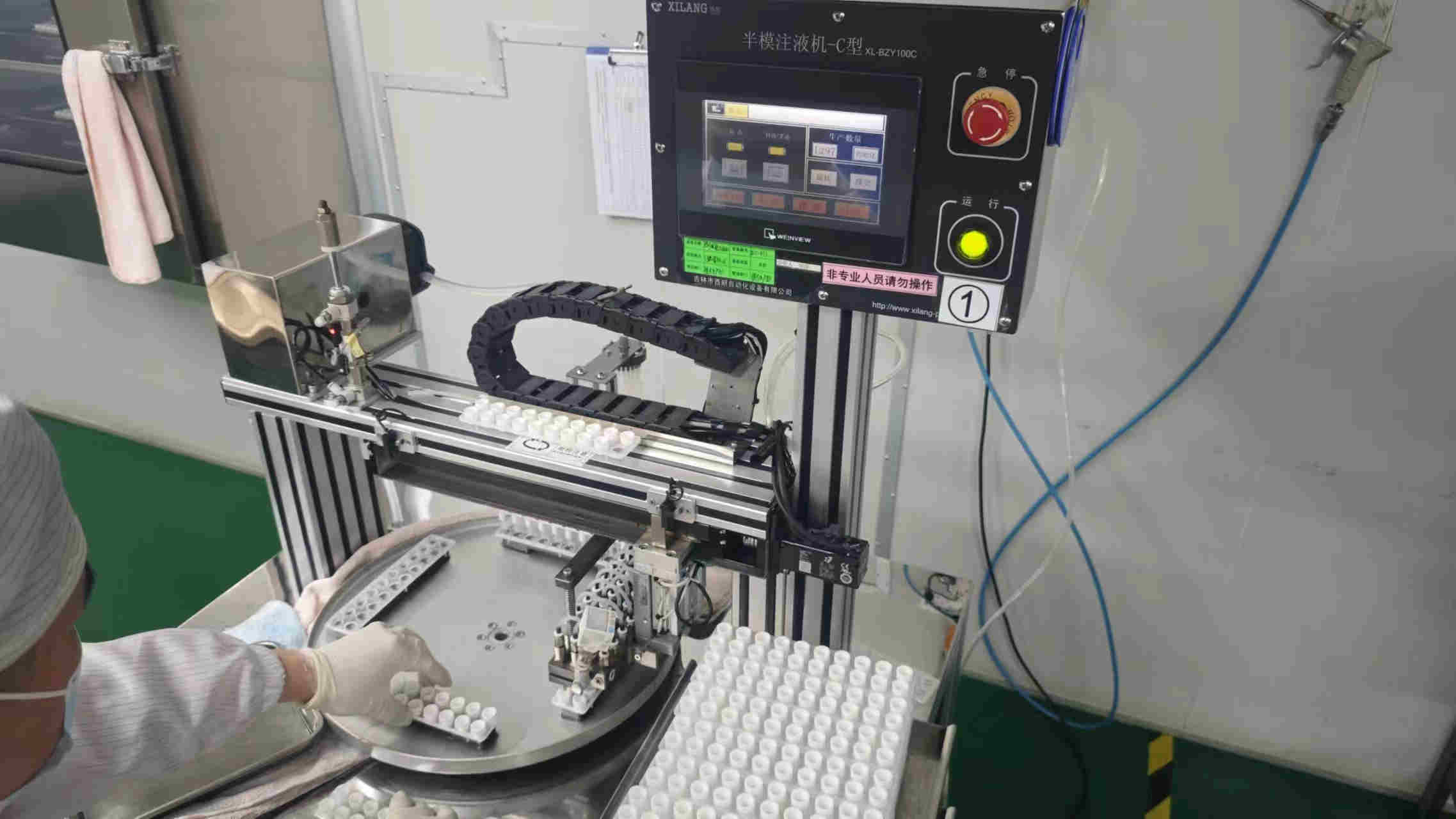
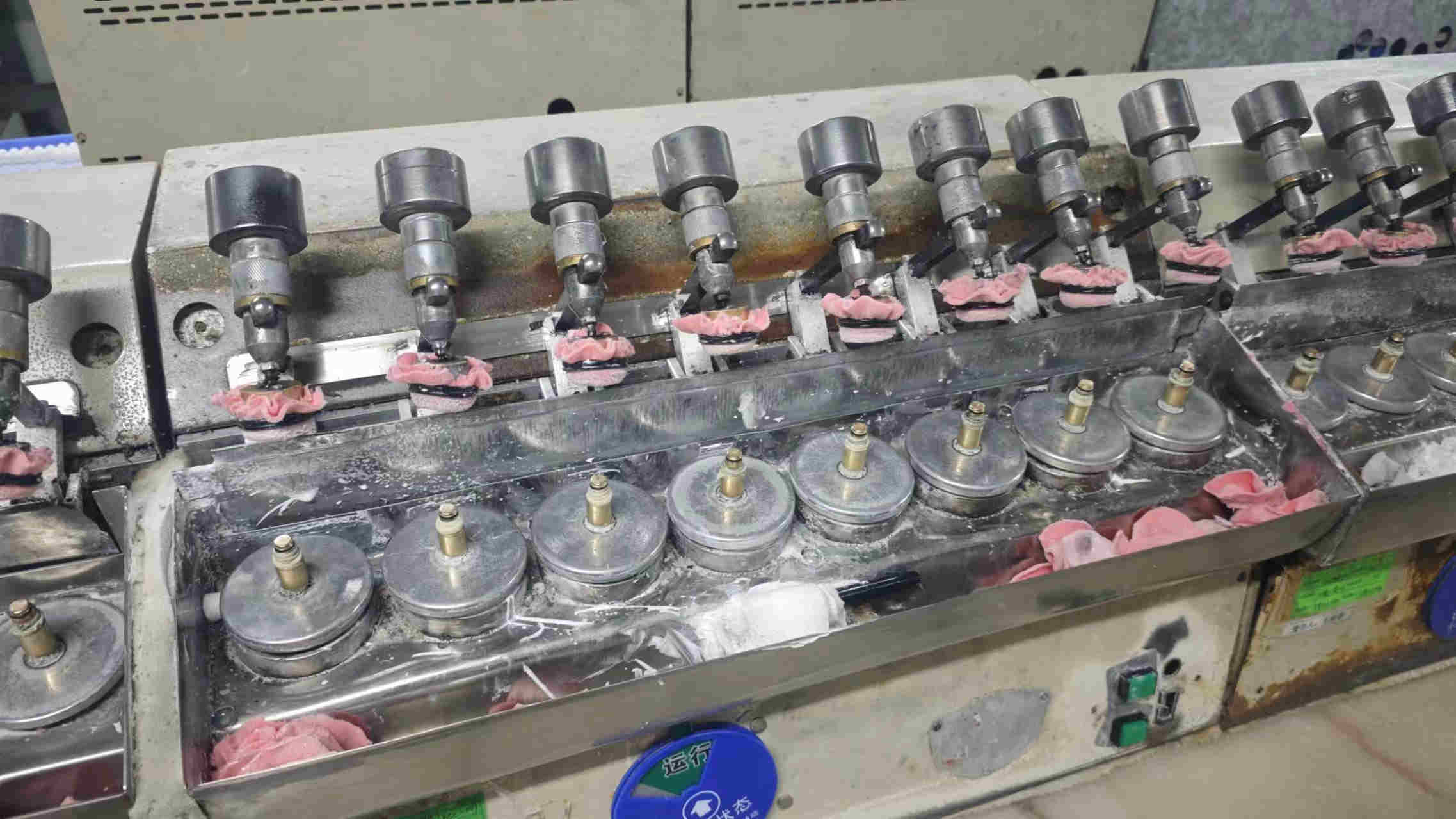
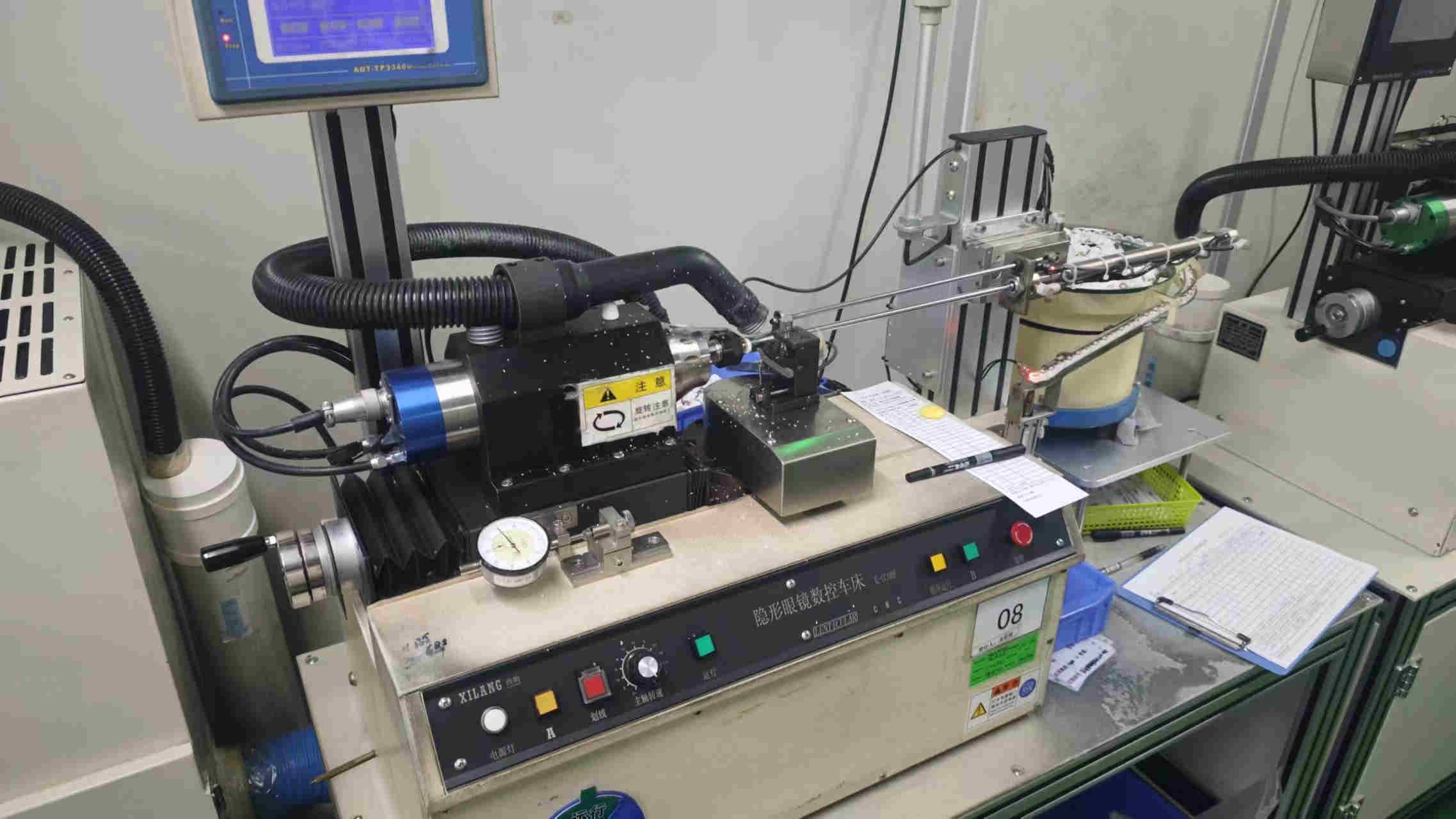
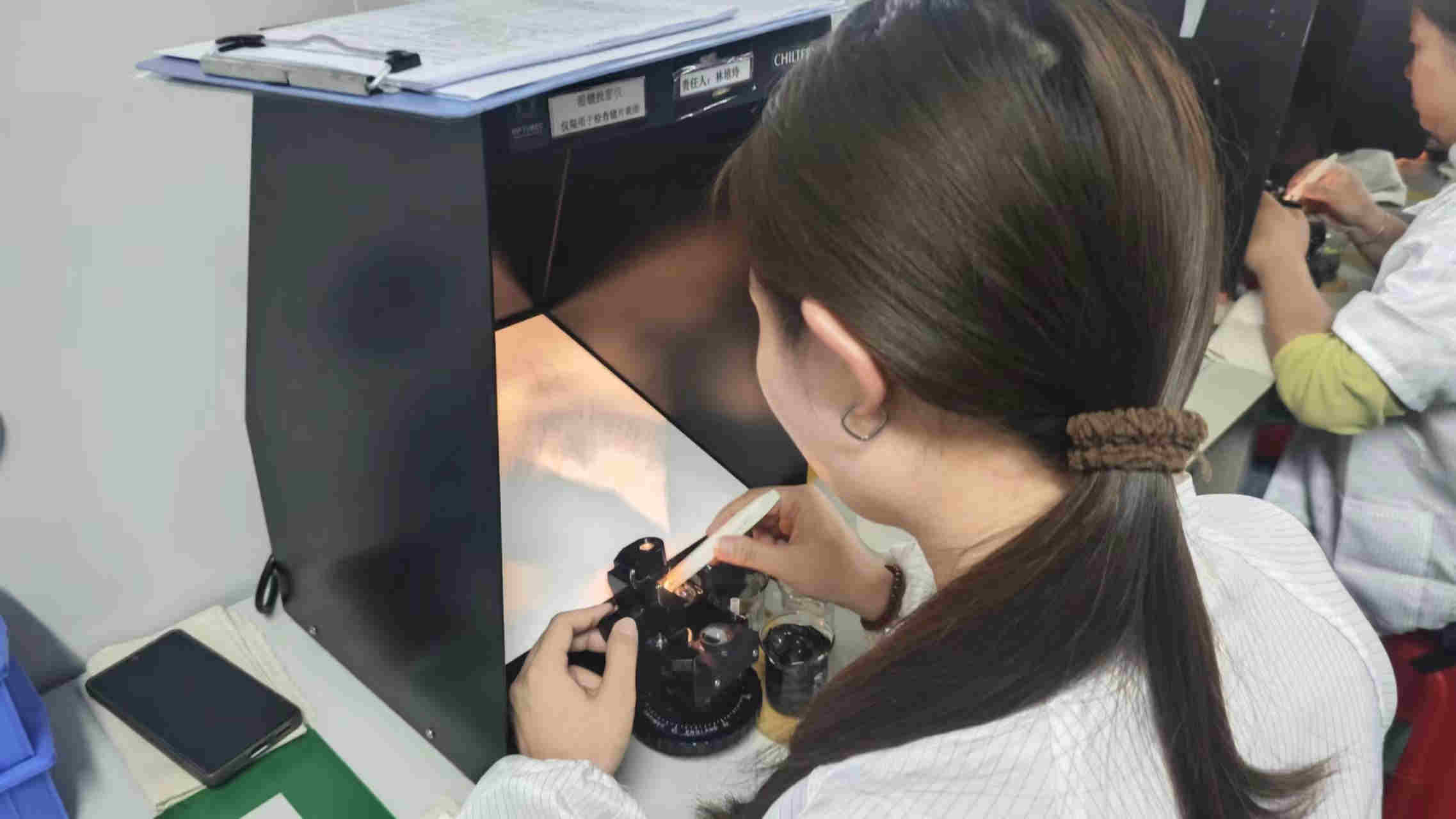
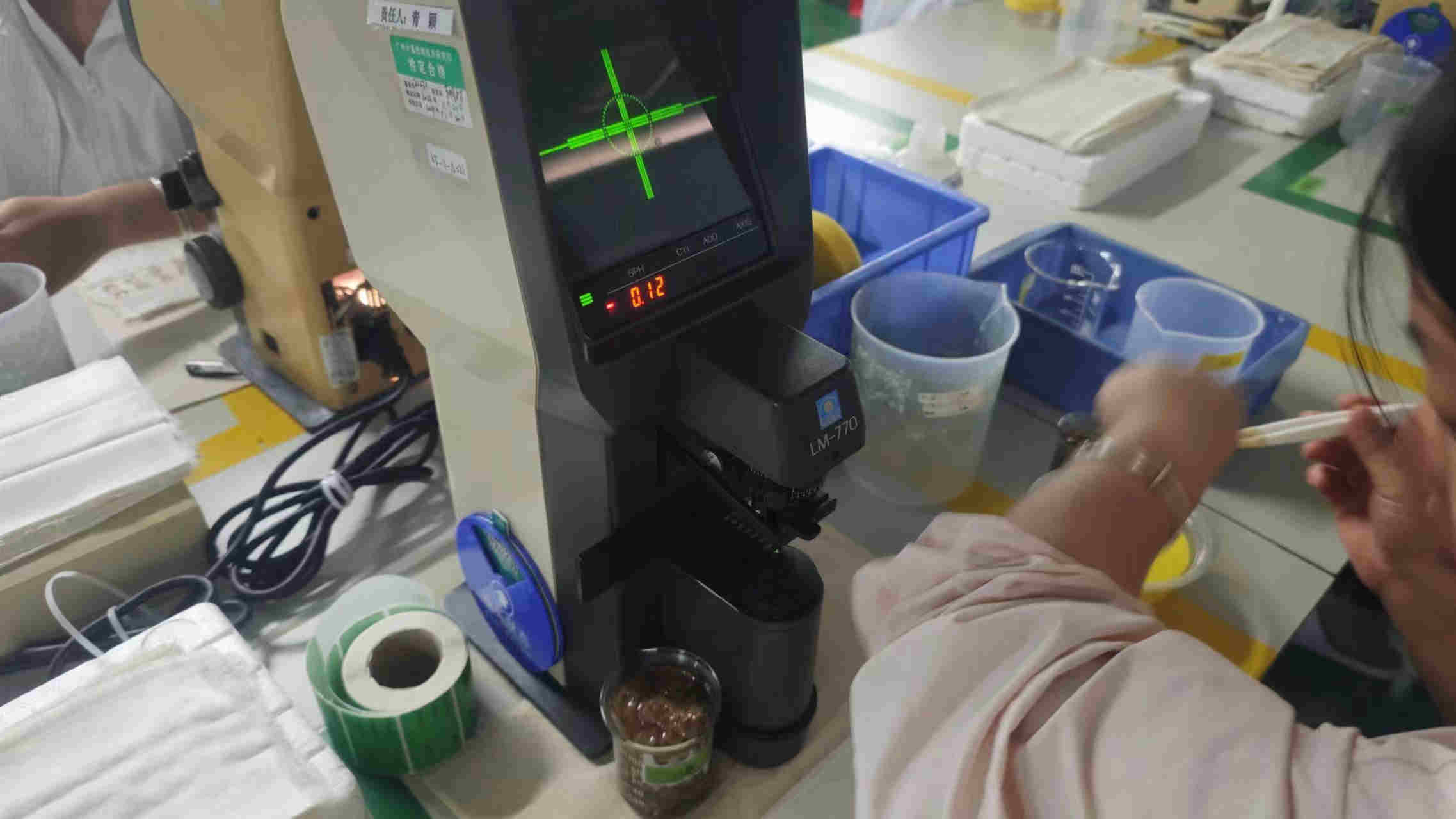
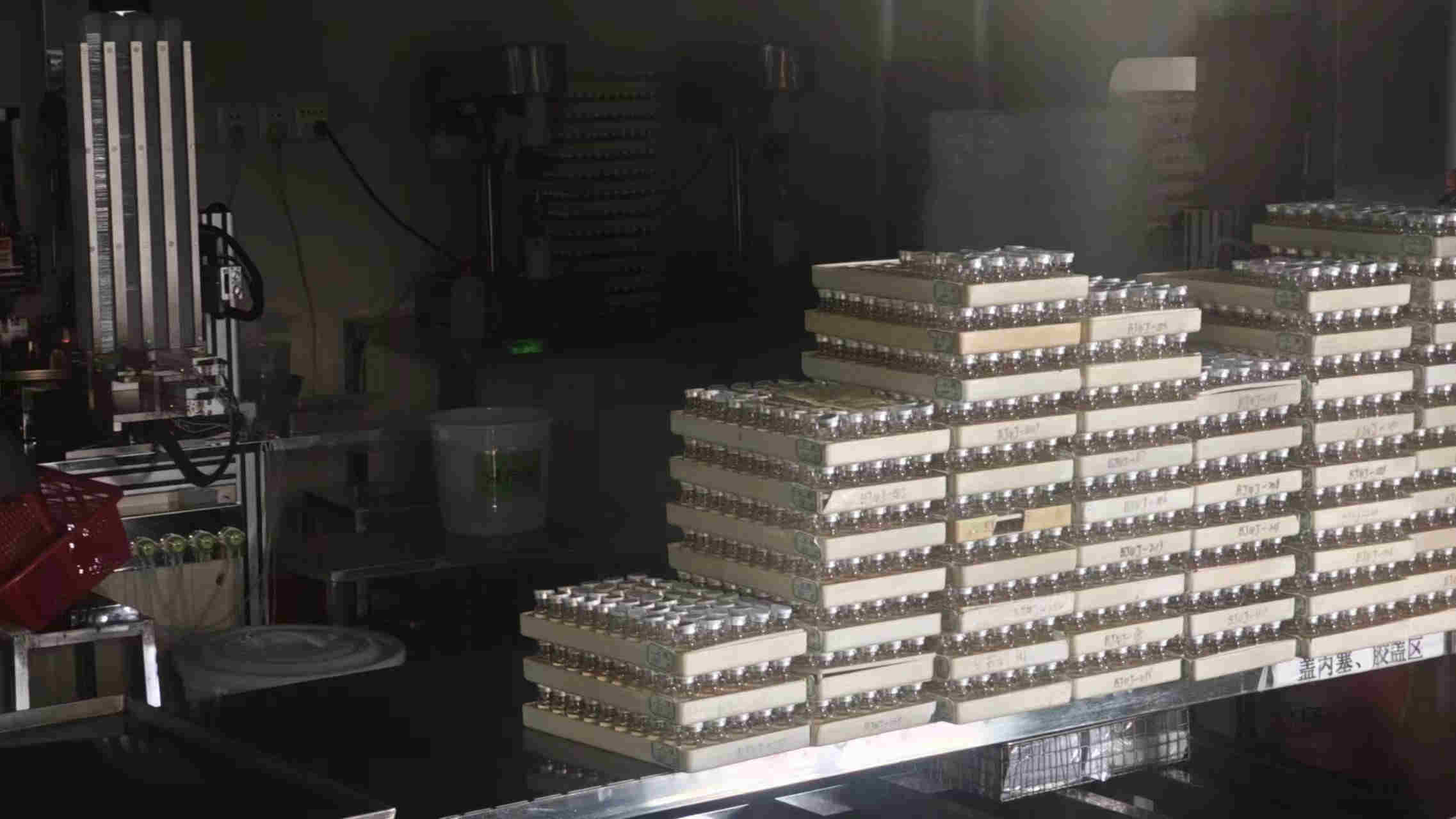
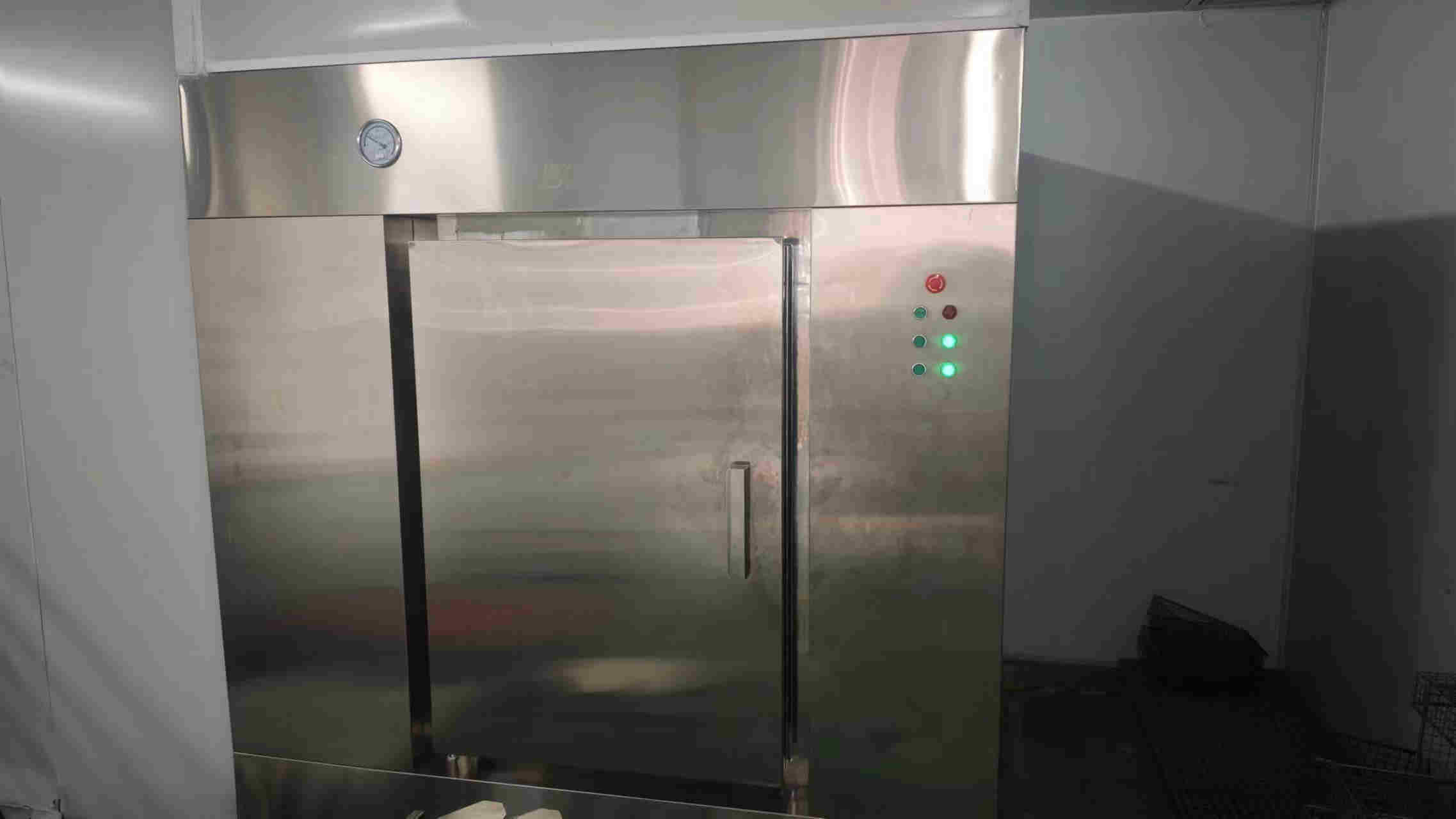
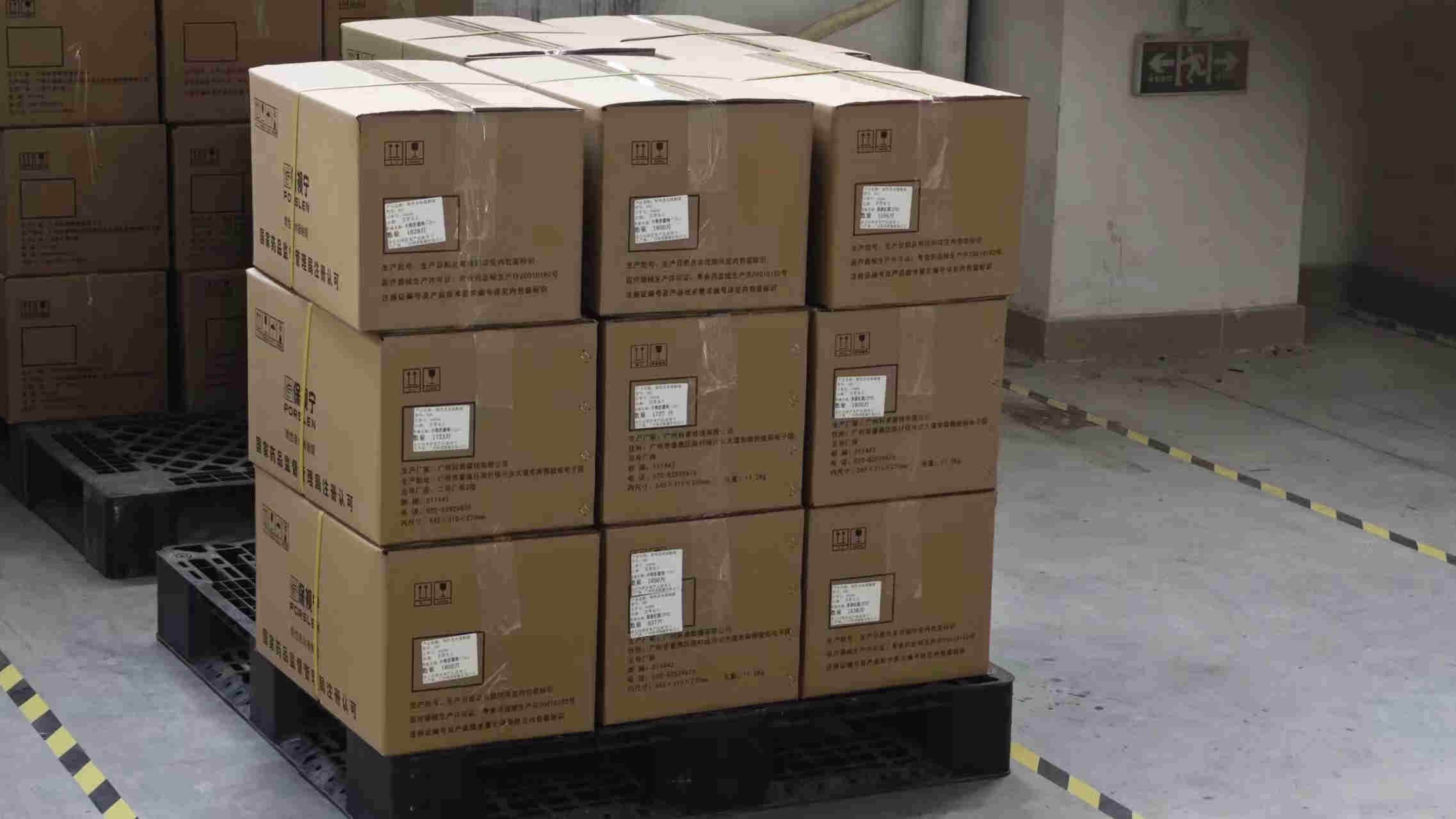
Explore our visual manufacturing roadmap. Every stage is monitored using AI-driven automated inspection protocols to guarantee the highest safety yield per batch.
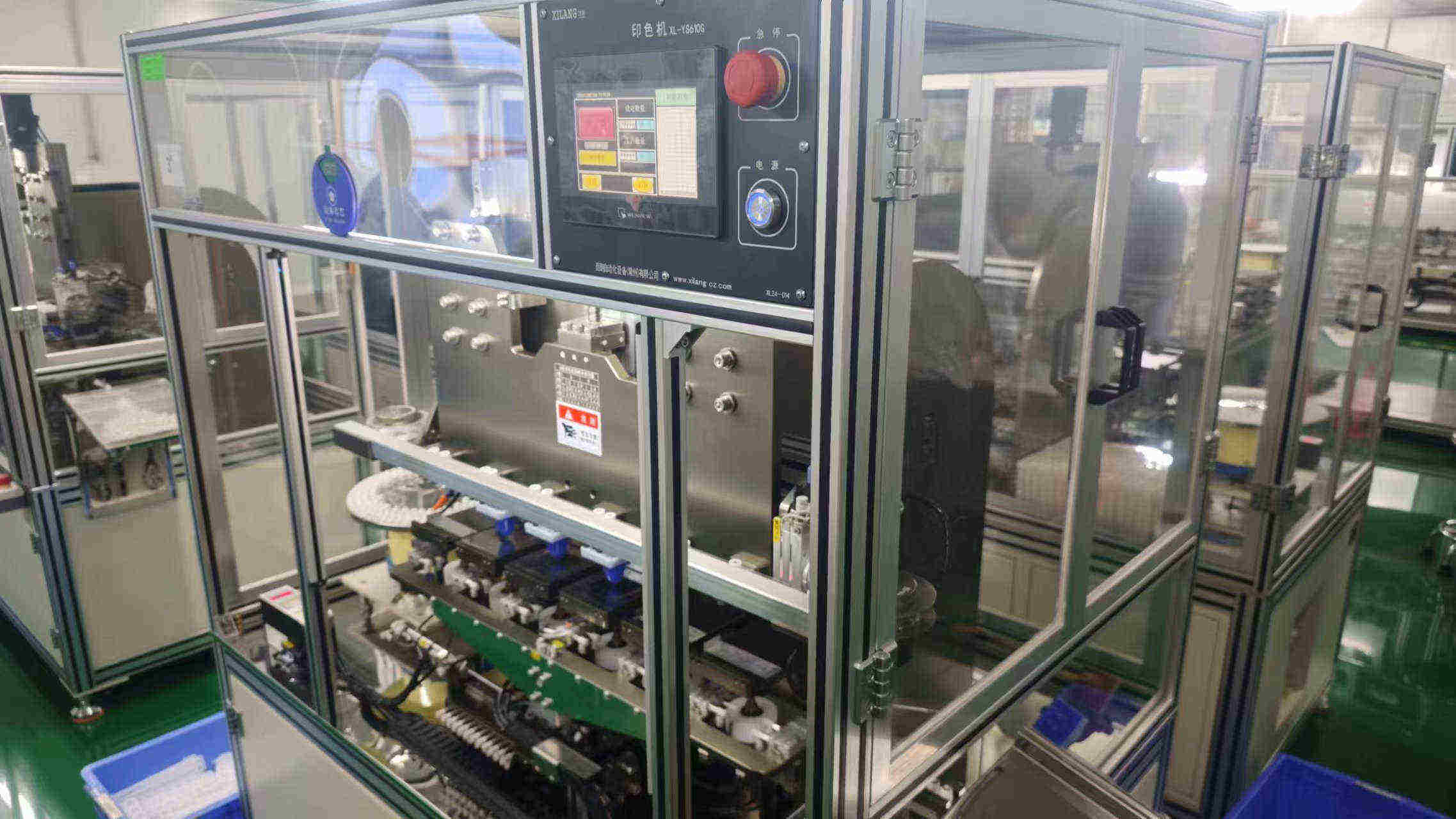
Supply Chain Resilience: China Hub to Tokyo Port
The logistical correlation between Dongguan and Tokyo offers structural cost and timeline efficiencies. By optimizing production workflows within China's premier high-tech manufacturing corridor in Guangdong, we maintain rapid transit timelines to major Japanese logistics nodes, including Yokohama, Tokyo Port, and Narita/Haneda airports.
Agile Lead Times
Our proximity to rapid-ship container terminals guarantees that custom-formulated care solutions and bulk lens batches clear customs and reach Tokyo warehouses within 7 to 10 working days after manufacture.
Raw Material Stability
We work with trusted global suppliers for bio-compatible HEMA, silicone hydrogel monomers, and packaging foils. Our vertical integration shields Kanto distributors from global supply chain disruptions.
Additionally, our high-volume production capabilities allow us to negotiate competitive shipping agreements, which directly reduces landed unit costs for Tokyo brand owners. This margin flexibility empowers local businesses to remain competitive in highly sensitive consumer markets.
Technological Roadmap & Material Sciences
Ophthalmic engineering is in a phase of rapid transition. Our research and development focuses on optimizing the ocular microenvironment, particularly through advanced formulations for multi-purpose contact lens care systems. Our current technologies target three key parameters:
1. Advanced Polymeric Hydration Systems
By incorporating high-molecular-weight Sodium Hyaluronate (HA) and Hydroxypropyl Methylcellulose (HPMC), our formulations form a protective hydrophilic shield over the lens surface. This mimics natural mucins, reducing the friction coefficient against the eyelid and preventing end-of-day dry eye syndromes common to dry-air environments like Tokyo's office towers.
2. Dual-Action Disinfection & Protein Depolymerization
Our multi-purpose solution utilizes highly diluted, bio-compatible biocides (such as PHMB and Polyquaternium-1) to eliminate 99.9% of common ocular pathogens, including Acanthamoeba and Pseudomonas aeruginosa. Simultaneously, EDTA acts as a chelating agent to break down tear-film proteins and lipid deposits, preserving high lens oxygen transmissibility (Dk/t).
3. pH and Osmolality Equilibrium
Lenses manufactured and maintained in our solutions are stabilized at a pH of 7.2–7.4, matching human tear fluid. This maintains osmotic balance, preventing corneal swelling or discomfort during lens insertion.
Compliance, PMDA Support & Ophthalmic Standards
Navigating Japan's regulatory framework requires careful documentation and quality controls. Under the Pharmaceuticals and Medical Devices Act (PMDA), contact lenses and care solutions are classified as Class III Medical Devices. This categorization requires strict biological evaluation, sterilization validation, and raw material tracking.
Dongguan Dailylensie Co., Ltd. supports Tokyo-based importers by providing comprehensive technical dossiers. Our cleanroom facilities operate under ISO 13485 (Medical Devices Quality Management System), and all processes, from liquid monomer synthesis to terminal sterilization in medical blister packs, are fully audited.
We assist with:
- Biocompatibility Reports: ISO 10993 cytotoxicity, sensitization, and ocular irritation testing data.
- Sterilization Dossiers: Validation records for autoclaving cycles, proving a Sterility Assurance Level (SAL) of 10-6.
- Japanese Packaging Adaptation: Compliance with PMDA labeling standards, including precise Japanese text print validation for blister packs and outer boxes.
Frequently Asked Questions (FAQ)
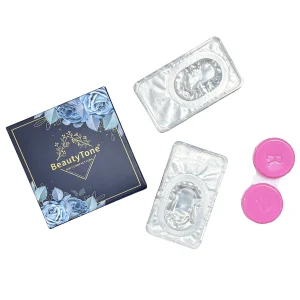
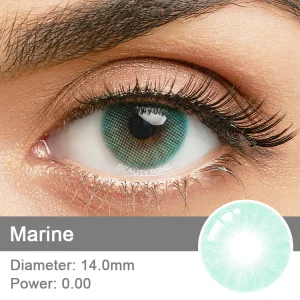
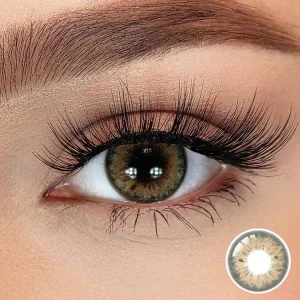
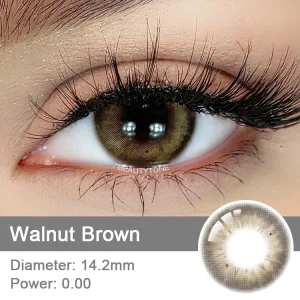
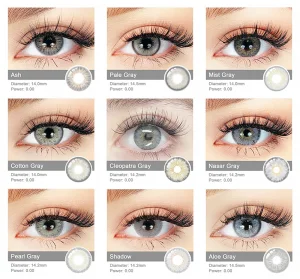
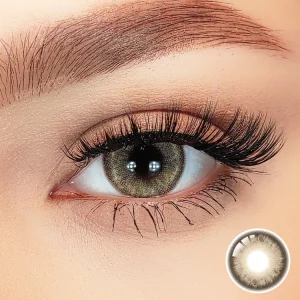
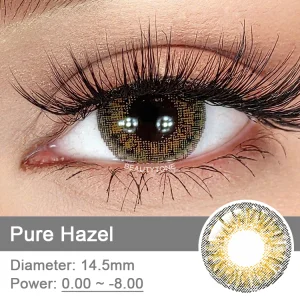
Tokyo Distribution Ready: Cosmetic & Corrective Lenses
Our flagship line of daily, monthly, and yearly replacement lenses, optimized for exceptional oxygen transmissibility and comfort.

Establish Your Ophthalmic Footprint in Tokyo
Partner with a manufacturer that combines technical safety standards with flexible branding and fast shipping. Get in touch with our specialist team today to request samples, compliance documentation, or quotes.